What makes trekking in Nepal truly special?
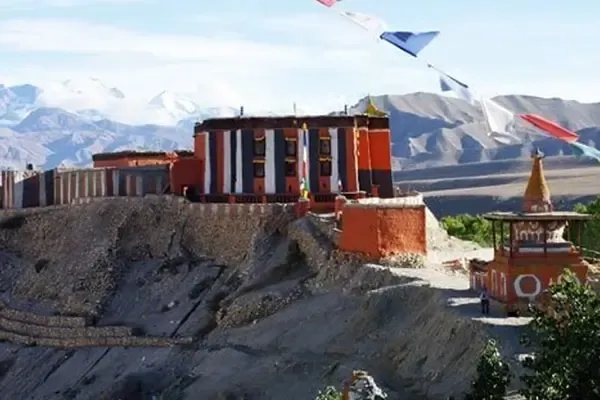
The diversity that every trail offers and the heartwarming hospitality of the Nepalese people wherever you go make trekking in Nepal truly special.
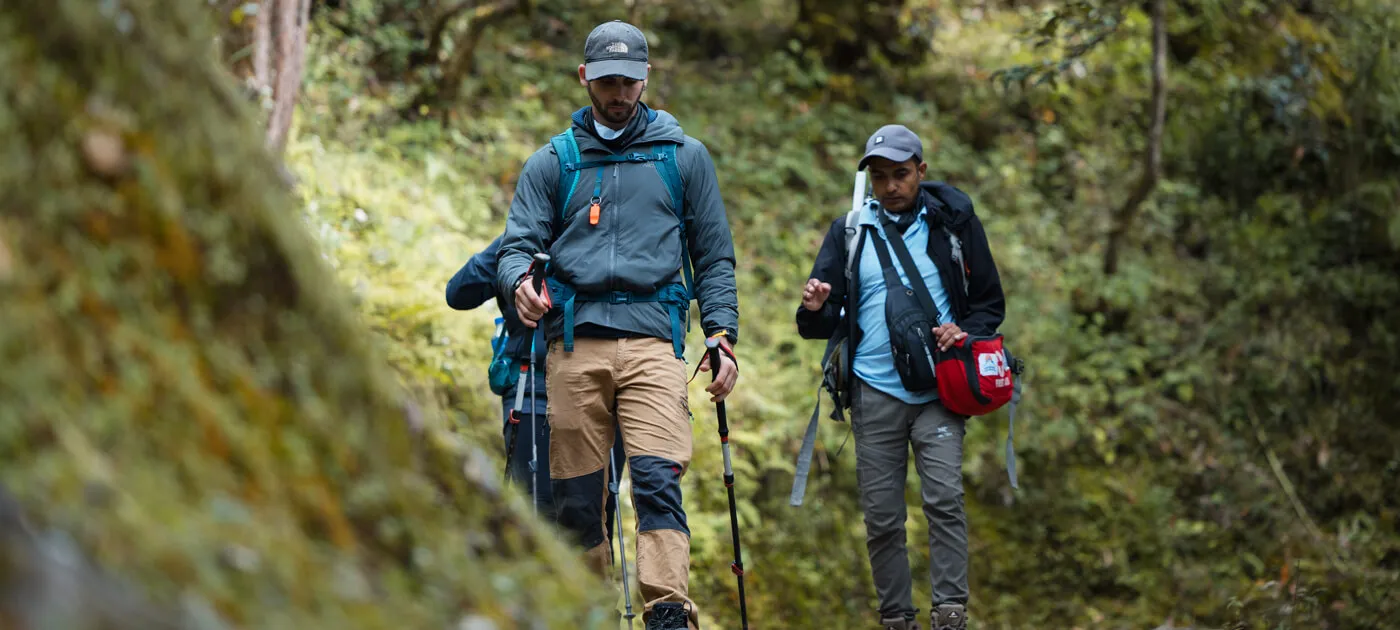
Whether you go on a long trek in the remotest corners of the Himalayas or follow a famous trekking route, you will see incredible landscapes and meet kind Nepalese people.
A single trek, be it tough or easy, short or long, takes you from lush foothills to terraced hillsides to alpine meadows and glacial valleys. There are trails for both beginners and experienced trekkers.
- Home to eight of the world's 14 highest mountains: Everest, Kanchenjunga, Lhotse, Makalu, Cho Oyu, Dhaulagiri, Manaslu, and Annapurna I.
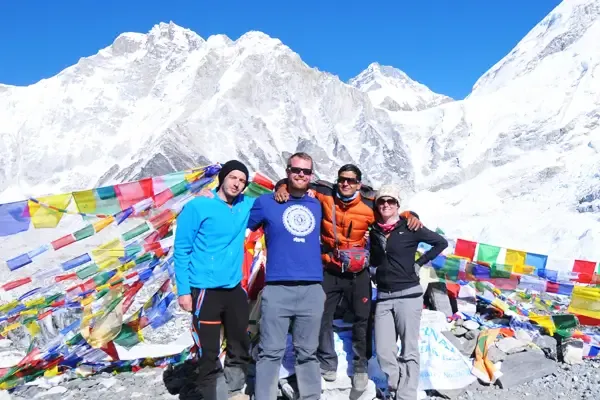
- Home to the legendary Everest Base Camp trail that millions of people dream of conquering.
- Diverse trekking regions each offering an impressive variety of trekking conditions, landscapes, cultural heritage, and dramatic high-altitude experiences.
- Trekking routes for every experience level - Whether you are trekking for the first time or returning to Nepal for your 2nd, 3rd, or 4th trek, you will have many trek options.
- Unique Himalayan culture and mountain villages that make the cold Himalayas full of life, dreams, and stories.
- 99% of trekking routes traverse varying elevations, taking you deep into the national parks and conservation areas. You will discover rich Himalayan ecosystems, exotic sanctuaries, and abundant flora and fauna on every trek.
- Even the most luxurious trips are easy on the pocket compared to other adventure destinations and European & Asian high-end trips.
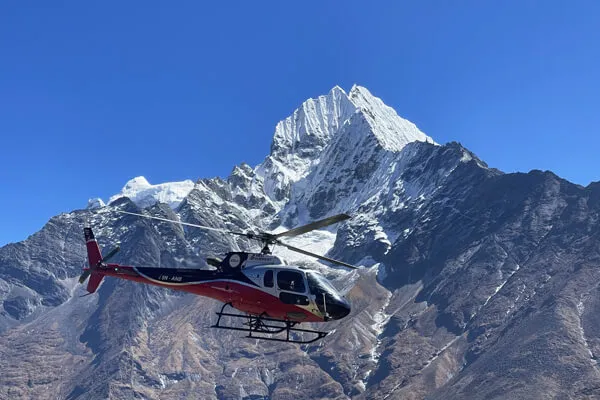
- Trekking destinations for almost everyone, and those who cannot trek can enjoy the Himalayan mountains in Nepal through helicopter tours.
Best treks in Nepal
It is so tough to pick the selected few from the exceptional range of trekking options in Nepal. Whether you are looking for a trekking adventure in Nepal under 10 days or a 2-3-week well-paced journey in the mountains, both options are available.
Here, we have shared the most famous treks in Nepal. As we are more than halfway through 2026, we have seen the majority of tourists doing or asking about the treks below in Nepal:
Everest Base Camp trek:
The Everest Base Camp trek has always been the most loved in Nepal. It is also a world-famous trekking program. Every year, 40k-50k+ trekkers do this trek alone.
We can say it is the classic Himalayan adventure that leads you to the base of Mount Everest and explores the homes of the world-renowned Sherpa community.
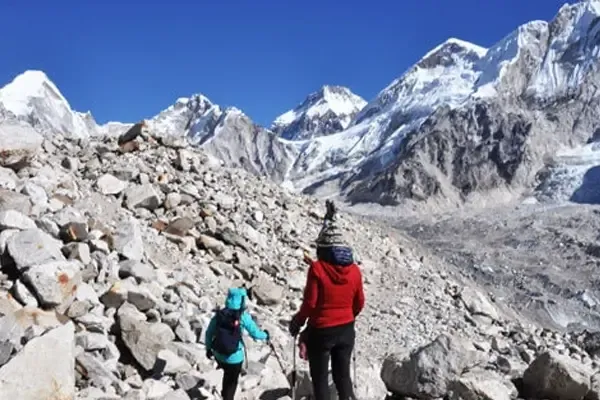
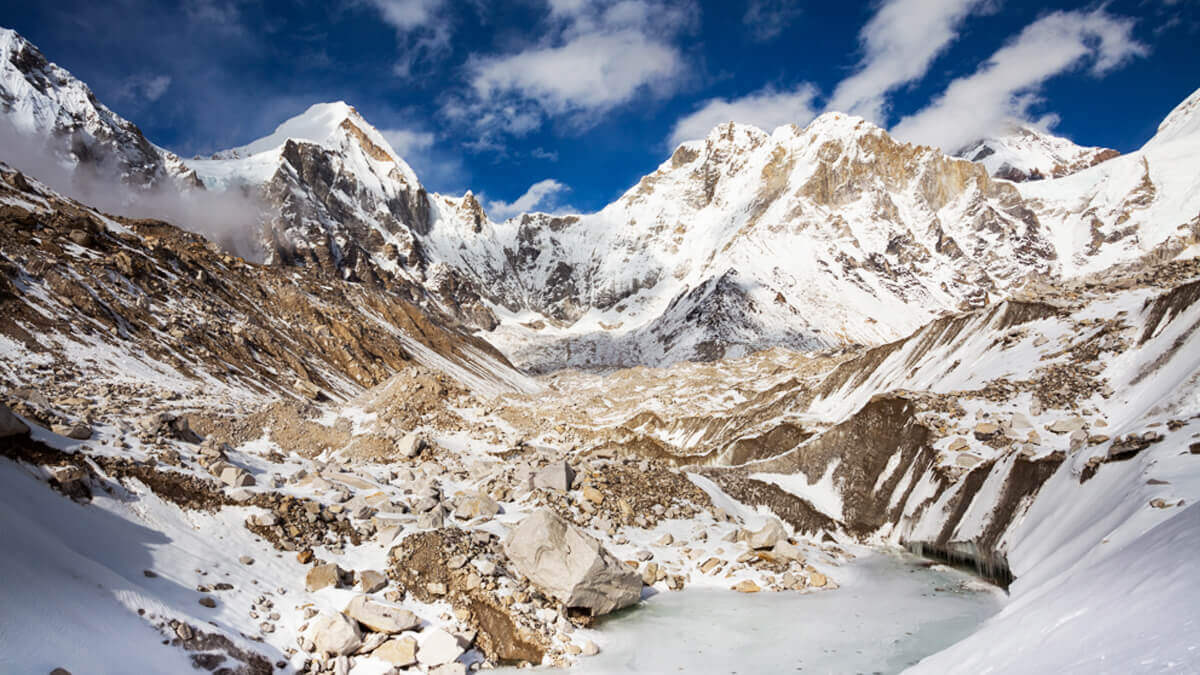
The Everest Base Camp trek is a 14- 15-day trip. You hike through the Dudh Koshi River Valley in the northeastern Himalayas in Nepal and gradually ascend through rhododendron forests and beautiful Sherpa villages to the Khumbu Glacier moraine.
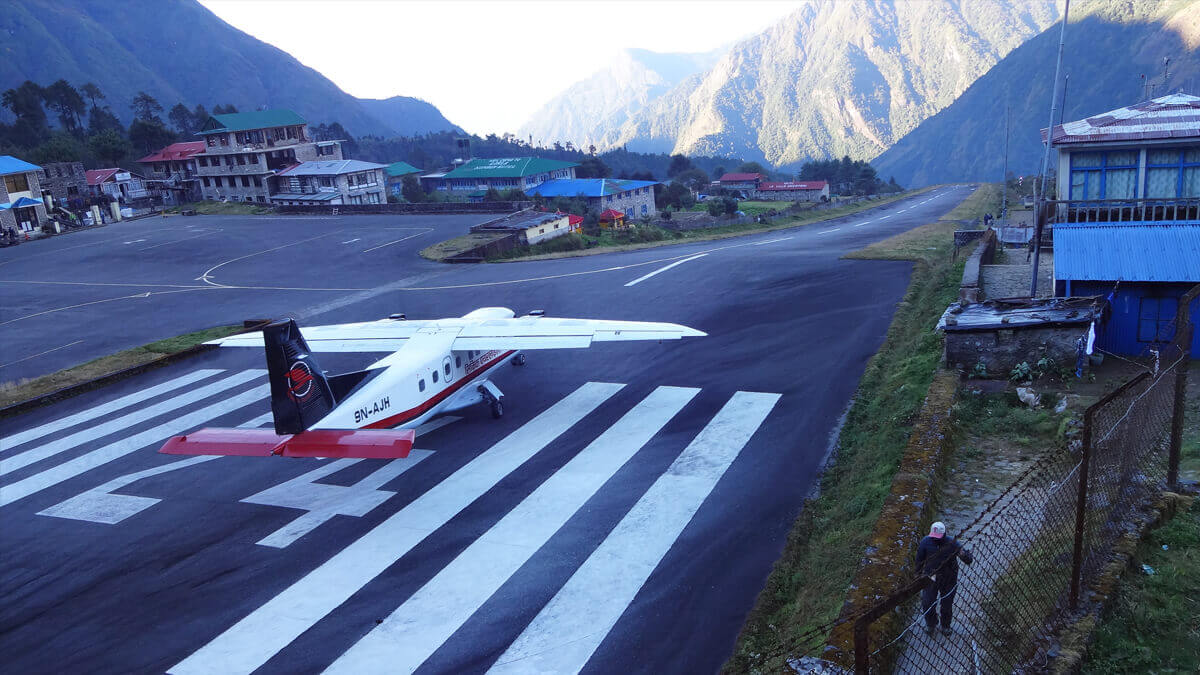
Crossing the Khumbu Glacier moraine, you will reach Gorak Shep. It is the middle ground between Everest Base Camp (5,364 m/17,598 ft) and Kala Patthar (5,545 m/18,192 ft). You will hike to both destinations from Gorak Shep and return to Lukla following the same trail.
Quick facts -
- Trek duration: 14-15 days
- Maximum altitude: 5,545 m/18,192 ft
- Trek distance: 130 km
- Difficulty: Moderate to challenging
- Facilities: Budget-friendly to luxury lodges are available with incredible facilities (you get what you pay for)
- Best for: First-time trekkers, adventure travelers, mountain enthusiasts
Everest Base Camp trek with helicopter return:
The Everest Base Camp trek with helicopter return is an upgraded and shorter version of the standard EBC trek. As the name of the package suggests, it includes a helicopter return to Kathmandu at the end of the trek.
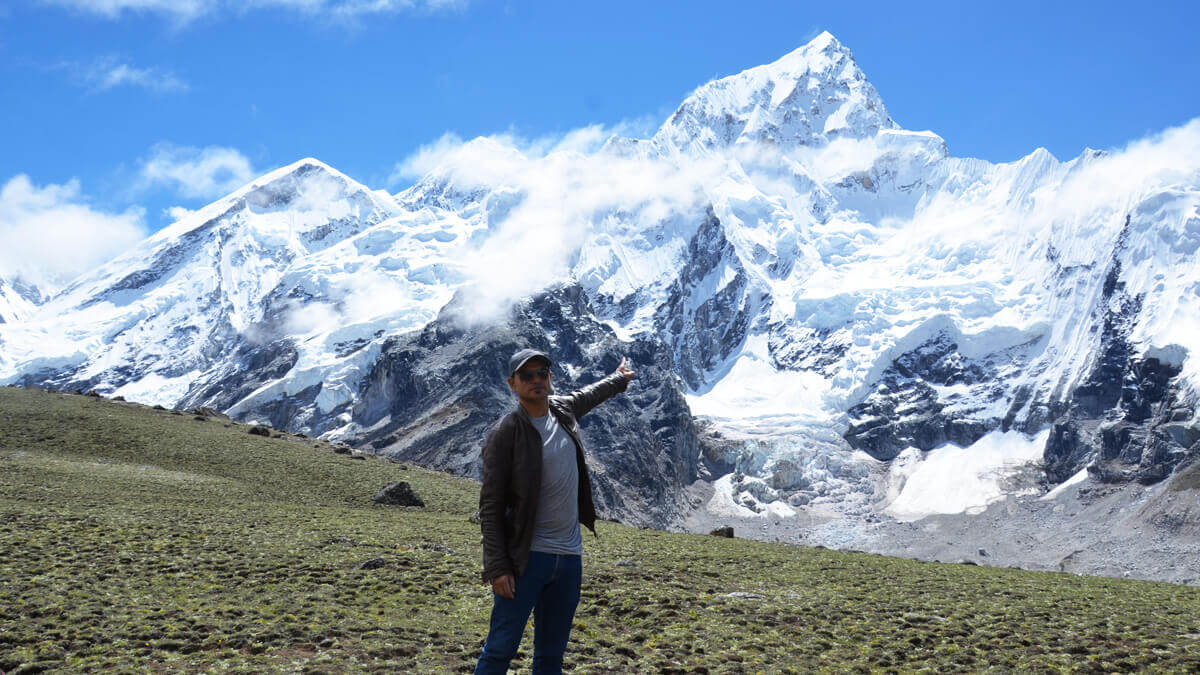
Many trekkers choose the Everest Base Camp trek with helicopter return because it can be done in 9 to 11 days. You will follow the same route as the standard EBC trek and hike to Everest Base Camp and Kala Patthar.
After the Kala Patthar hike, you will directly return to Kathmandu. So, no trekking back all the way to Lukla. It saves you almost 65 km of walking, which is three full days.
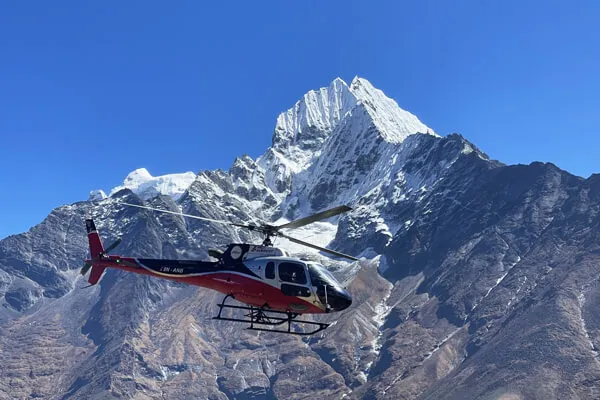
And most importantly, you get to enjoy a helicopter flight and witness jaw-dropping aerial panoramas of the Himalayan mountains and glaciers. Your journey becomes much more memorable and exciting.
Quick facts:-
- Major advantage: Trek into the Everest region and return by helicopter
- Trek duration: 9-11 days
- Maximum altitude: 5,545 m/18,192 ft
- Trek distance: 65 km
- Difficulty: Moderate to challenging
- Facilities: Budget-friendly to luxury lodges are available with incredible facilities (you get what you pay for) + an added helicopter flight from Kala Patthar to Kathmandu
- Best for: Travelers with limited time, comfort-seeking trekkers, first-time Everest trekkers
Gokyo Lakes trek:
The Gokyo Lakes trek is another famous trekking program in the Everest region. With almost the same difficulty level, the Gokyo Lakes trek is known as the best alternative to the busy and commercial Everest Base Camp trek.
You get to see all the mountains, including Everest, Lhotse, Ama Dablam, Cho Oyu, Makalu, etc on the Gokyo Lakes trek. However, instead of hiking to EBC and Kala Patthar, you will hike to the secluded Gokyo village and Gokyo Ri viewpoint.
The journey starts with a Lukla flight and follows the same trail to Namche Bazaar. From here, you will follow a separate route to Gokyo Valley that goes through quaint villages such as Dole and Machhermo.
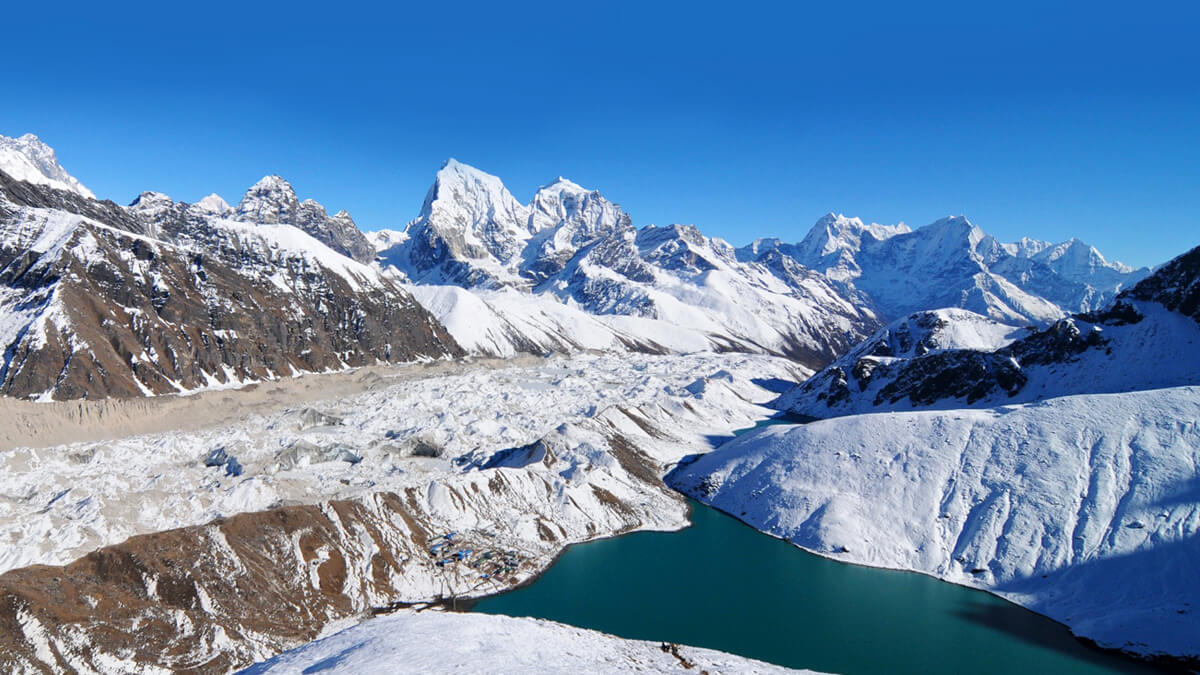
The key highlights of this trek are the alpine Gokyo Lakes. It is a freshwater lake system that includes 19 lakes spread between 4,700 and 5,000 meters. Among them, 6 are known as the main lakes.
The Gokyo Lakes are beautiful turquoise lakes surrounded by snow-covered mountains. Similarly, Gokyo Ri is the highest point of this trek and is considered to offer one of the finest views of Mount Everest.
For the last few years, one of the Gokyo Lakes has been open for ice skating every year during the winter months when the lake freezes.
Quick facts -
- Trek duration: 12-15 days
- Maximum altitude: 5,357 m/17,575 ft
- Trek distance: 92-110 km (depending on your itinerary)
- Difficulty: Moderate to challenging
- Facilities: Excellent services till Namche Bazaar, then decent facilities till Gokyo Village (more authentic experience compared to EBC)
- Best for: First-time trekkers, adventure travelers, mountain enthusiasts, and trekkers looking for an alternative to EBC or want to explore beyond the EBC trail
Everest Base Camp helicopter tour:
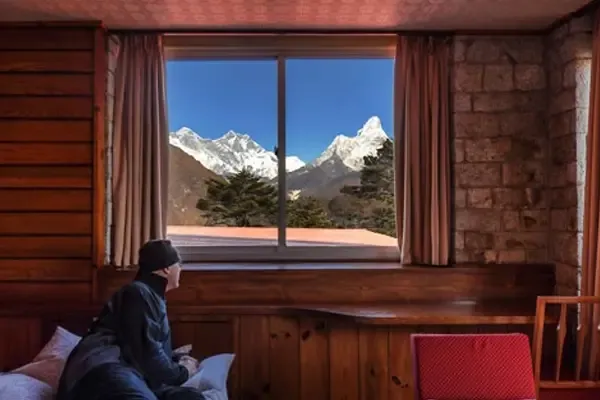
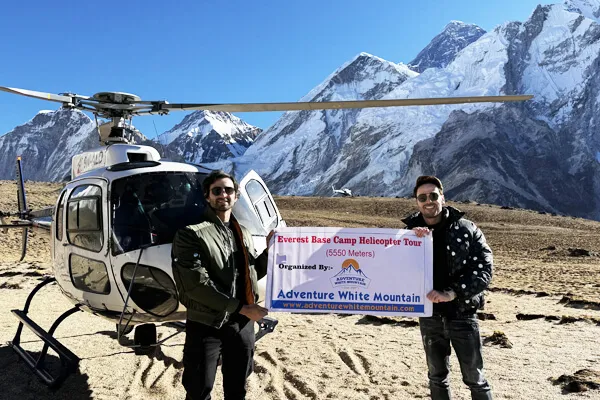
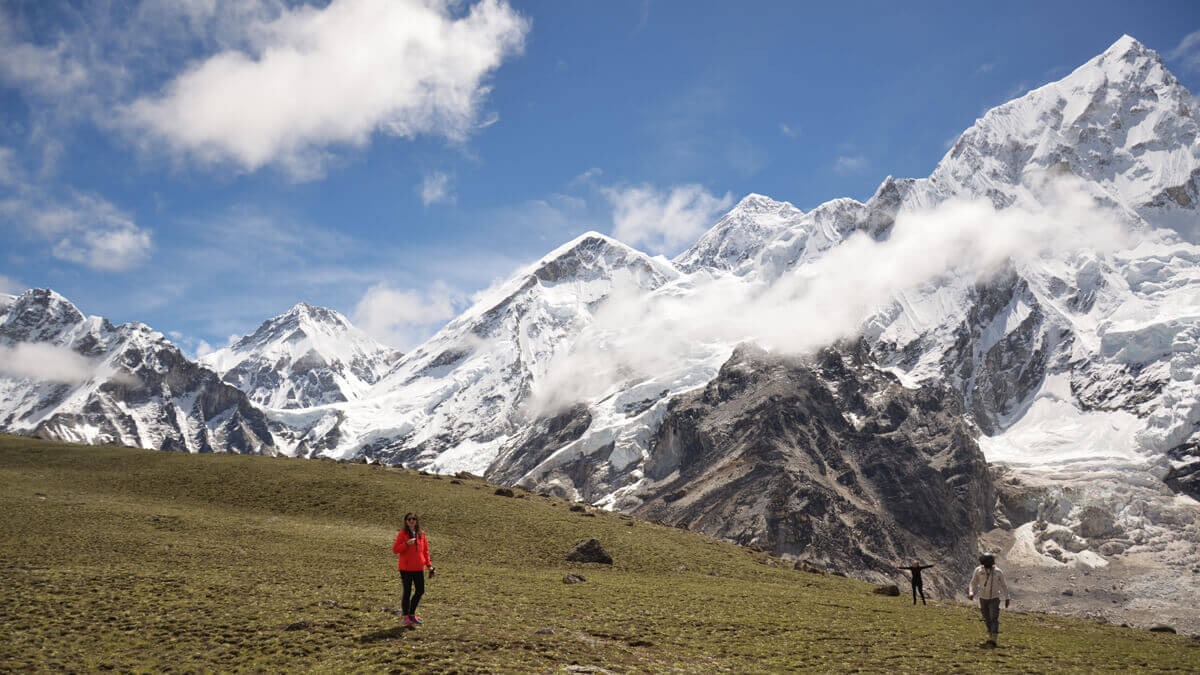
The Everest Base Camp helicopter tour is one of the easiest and shortest ways to explore and see Mount Everest in just a few hours. It also includes multiple landings, such as Lukla for refueling, Kala Patthar to see Mt. Everest up close, and Hotel Everest View for breakfast.
Although we are mainly talking about trekking in Nepal in this blog, we understand that not everyone can trek. So, we shared the Everest Base Camp helicopter tour program. It is a 4-5-hour early morning activity.
You will start the tour around 5:00 AM and complete it by 10:00 or 11:00 AM. There are no specific requirements or age limitations for the Everest Base Camp helicopter tour. If you are okay with flying in a helicopter, you can do this tour.
Quick facts:-
- Tour duration: 4-5 hours
- Maximum altitude: 5,545 m/18,192 ft
- Trek distance: A little bit of walking
- Difficulty: Easy
- Best for: Time-limited travelers, families, luxury travelers, non-trekkers
Manaslu Circuit trek:
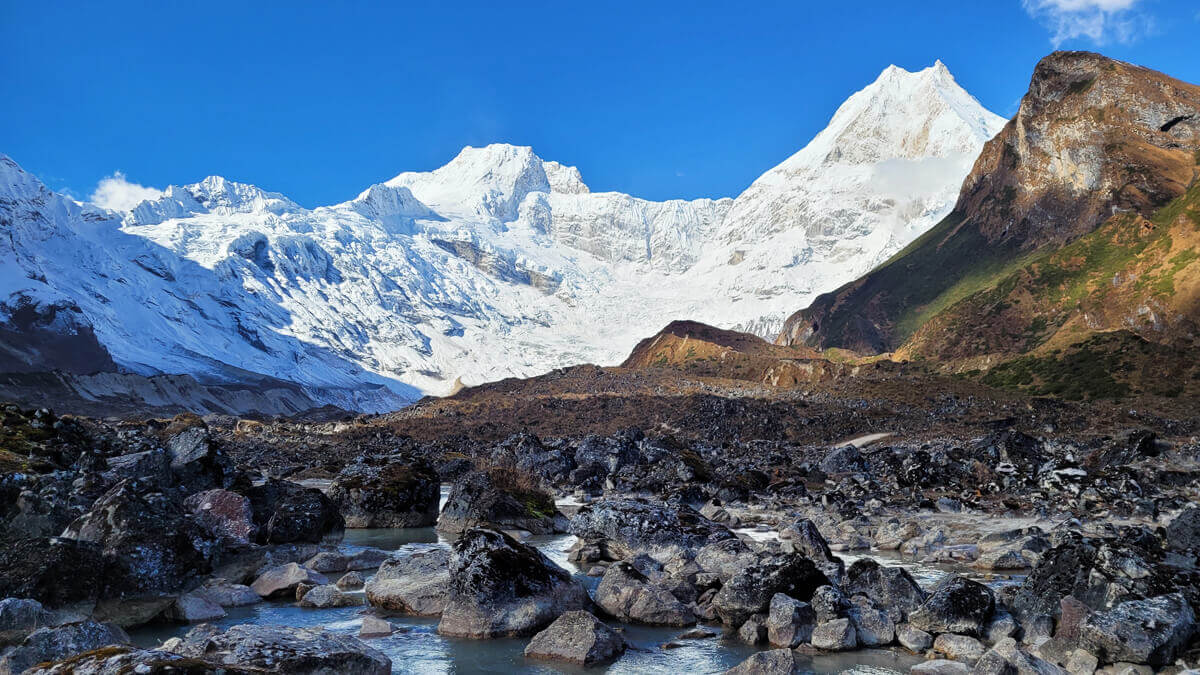
The Manaslu Circuit trek is slowly becoming one of Nepal's most diverse treks. It is a restricted area trek in Nepal. The Manaslu Circuit trek is secluded, less busy, and more authentic than popular circuit treks like the Annapurna Circuit.
On the Manaslu Circuit trek, you traverse around the 8th-tallest mountain in the world, Mt. Manaslu. The trek starts with a 7- 8-hour drive from Kathmandu to Machha Khola.
The trail ascends above the Budi Gandaki River through lush hills, picturesque Tibetan Buddhist villages, and dramatic mountain landscapes. You will cross landslide and rockfall areas on the way.
The trail has side hikes to Pun Gyen Gompa, Birendra Lake, Manaslu Base Camp, and Rui La Pass. For the finale of the trek, you will cross challenging Larkya La Pass and descend into the Annapurna region.
The Manaslu Circuit trek offers varying landscapes that go from lush hills and lovely terraces to barren pastures and glacier moraines in no time. The diversity, mountain vistas, and cultural experience this trek offers are amazing.
Quick facts:-
- Trek duration: 13-18 days
- Maximum altitude: 5,106 m/16,752 ft
- Trek distance: 170-210 km (depending on your itinerary)
- Difficulty: Strenuous
- Facilities: Decent basic services for trekkers
- Best for: Experienced trekkers, adventure seekers, travelers seeking a less-crowded route
Annapurna Circuit trek:
We all have heard about the Annapurna Circuit trek. It is one of the most extraordinary treks in Nepal, known for its complete Himalayan experience and breathtaking mountain panoramas.
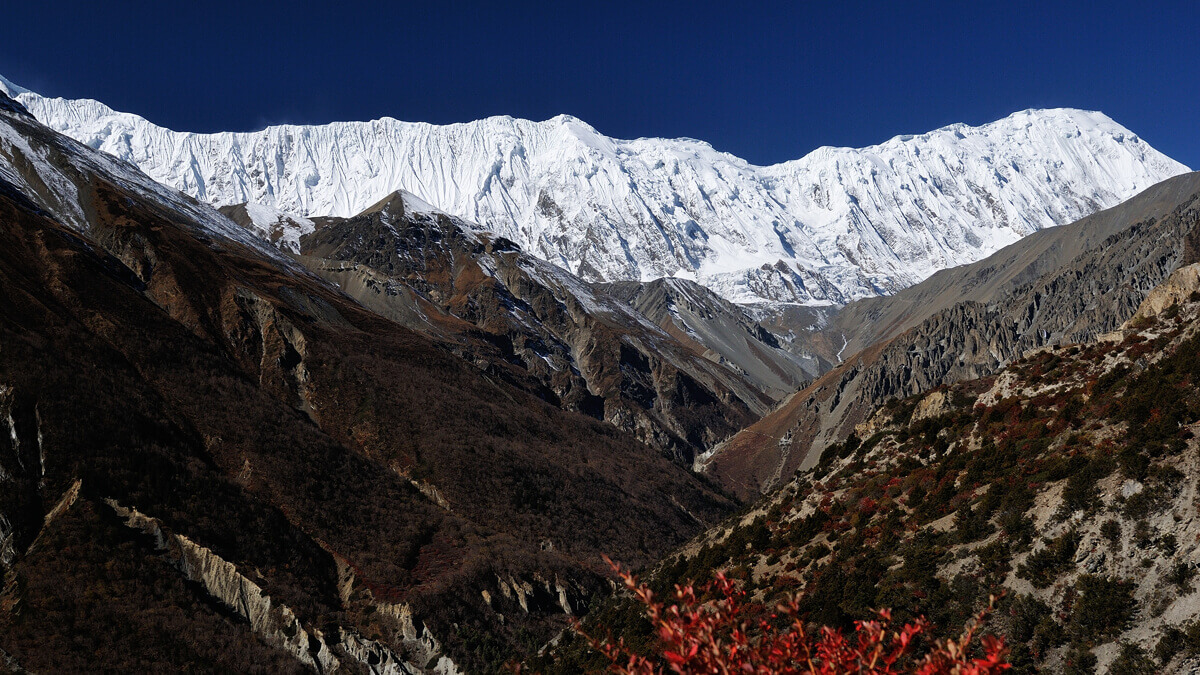
The Annapurna Circuit trek is an 11- to 18-day program in the beautiful Annapurna region. You trek around Mount Annapurna, the 10th-highest mountain in the world.
The trail goes through a subtropical valley to alpine terrain and the high Thorong La Pass. You will walk through densely forested hills, terraces, and beautiful villages of Gurung and Magar communities.
The scenery of waterfalls, rivers, streams, villages, lush hills, fluttering prayer flags, and snow-capped mountains in the backdrop makes the Annapurna Circuit trek very famous.
The adventure, cultural experience, tranquility, and nature that the Annapurna Circuit trek offers are incredible. Thorong La Pass is the highest point of this trek and also the most demanding section.
Crossing this pass, you will descend into the lower Mustang region. Explore the pilgrimage site - Muktinath Temple, and pass through the Kali Gandaki Gorge (the deepest gorge in the world) towards the end of the trek.
Quick facts
- Trek duration: 11-18 days
- Maximum altitude: 5,416 m/17,769 ft
- Trek distance: 160-230 km (depending on your itinerary)
- Difficulty: Strenuous
- Facilities: Decent basic services for trekkers
- Best for: Experienced trekkers, adventure seekers, travelers seeking a less-crowded route, landscape lovers
Annapurna Base Camp trek:
The last but not least trek on our best treks in Nepal list is the Annapurna Base Camp trek. It is also a widely known trekking route in the Annapurna region.
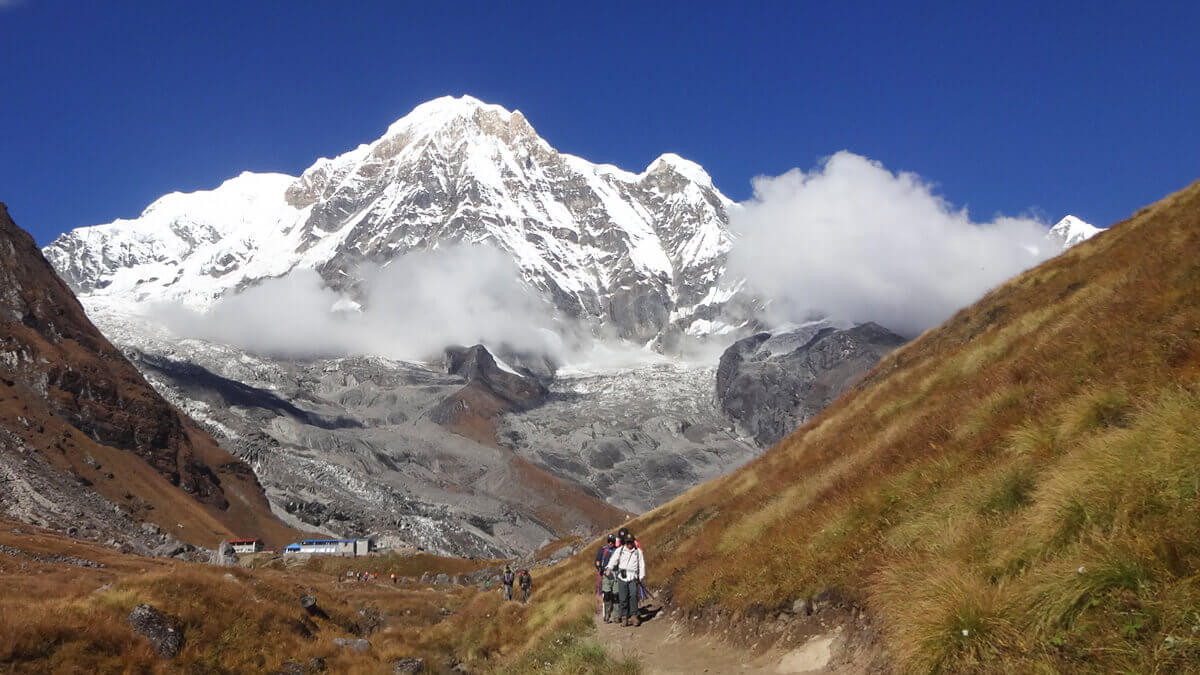
The Annapurna Base Camp trek sees less altitude gain than the EBC trek but is equally adventurous and scenic. You walk through traditional Nepali villages, terraced hillsides, and lush forests of rhododendron, bamboo, fir, oak, pine, etc.
On the way, you will see outstanding views of the Annapurna range, Fishtail, Hiuchuli, Nilgiri, etc. The trail goes past Hinku Cave and explores the Annapurna Sanctuary right before reaching Annapurna Base Camp.
Unlike EBC, you spend the night at Annapurna Base Camp. It makes this trek very special and loved by foreigners. You can complete the Annapurna Base Camp trek in 12 to 14 days.
Quick facts:
- Trek duration: 12-14-18 days
- Maximum altitude: 4,130 m/13,550 ft
- Trek distance: 70-115 km (depending on your itinerary)
- Difficulty: Moderate to challenging
- Facilities: Decent basic services for trekkers
- Best for: First-time trekkers, mountain lovers, travelers with limited time
Understand the mountains of Nepal and the trekking options you have
Nepal is a landlocked country in South Asia. It borders China to the north and India to the east, south, and west. Over just 200 kilometers, the country rises from tropical lowlands at 60 meters to Mount Everest at 8,849 meters.
The entire northern part of the country is the Himalayan range, where eight of the world's 14 peaks over 8,000 meters are located, along with numerous other smaller mountains. And this is where all the trekking adventures lie.
Treks in Nepal span over several days depending on the trekking region, route, and itinerary. The good thing is you have options for short treks under 10 days to long mountain adventures lasting 2 to 3 weeks.
And if you want to level up your trekking game, move towards trekking peaks. There are amazing 6,000-meter peaks in Nepal that are known as trekking peaks. These peaks can be climbed in 2 to 3 days from their base camps.
Trek you May Like
Price from
US$1800
US$2250
First time trekking in Nepal: trekking in Nepal for beginners
If you are visiting Nepal for your first trek, pick trekking regions such as Everest, Annapurna, or Langtang. These are famous trekking regions. They have well-established trails and an excellent network of teahouses and services.
Here are some perfect treks for beginner trekkers in Nepal
- Ghorepani Poon Hill trek
- Everest Panorama trek
- Pikey Peak trek
- Mardi Himal trek
- Langtang Valley trek
If you are confident about your fitness and perseverance, try
- Everest Base Camp trek
- Annapurna Base Camp trek
- Gokyo Lakes trek
- Gosaikunda Lake trek
- Upper Mustang trek
Experienced trekkers:
If this is not your first time visiting Nepal or you have trekking experience in other mountain ranges, you can consider the following treks:
- Annapurna Circuit trek
- Annapurna Circuit trek with Tilicho Lake
- Manaslu Circuit trek
- Manaslu Circuit trek with Tsum Valley
- Langtang Valley with Gosaikunda Lake trek
- Everest Base Camp trek with Gokyo Lakes
- Nar Phu Valley trek
- Everest Three Passes trek
Advanced treks in Nepal:
If you are a veteran trekker with strong physical fitness and mental understanding of the offbeat Himalayan adventures, below are some of the most remote, wilderness treks in Nepal that you may consider:
- Upper Dolpo trek
- Makalu Base Camp trek
- Kanchenjunga Circuit trek
- Dhaulagiri Circuit trek
These are not the only treks in Nepal. There are many more, such as Rara Lake trek, Dhorpatan trek, Badamalika trek, and many others that are not famous among foreigners but known among locals.
The majority of trekkers visit Nepal to trek to Everest Base Camp, the lap of the tallest mountain in the world. And it's fair. The second big group of trekkers does the Annapurna Base Camp trek, Ghorepani Poon Hill trek, or Annapurna Circuit trek.
However, if you are interested in exploring the most untouched corners of the Himalayas and traveling deep into the heart of the biggest mountain range in the world, that's also available.
Just ask yourself what you are interested in and whether you are fit enough for that trek. And we are here to facilitate your trekking adventure with our top-notch service.
What are restricted area treks in Nepal?
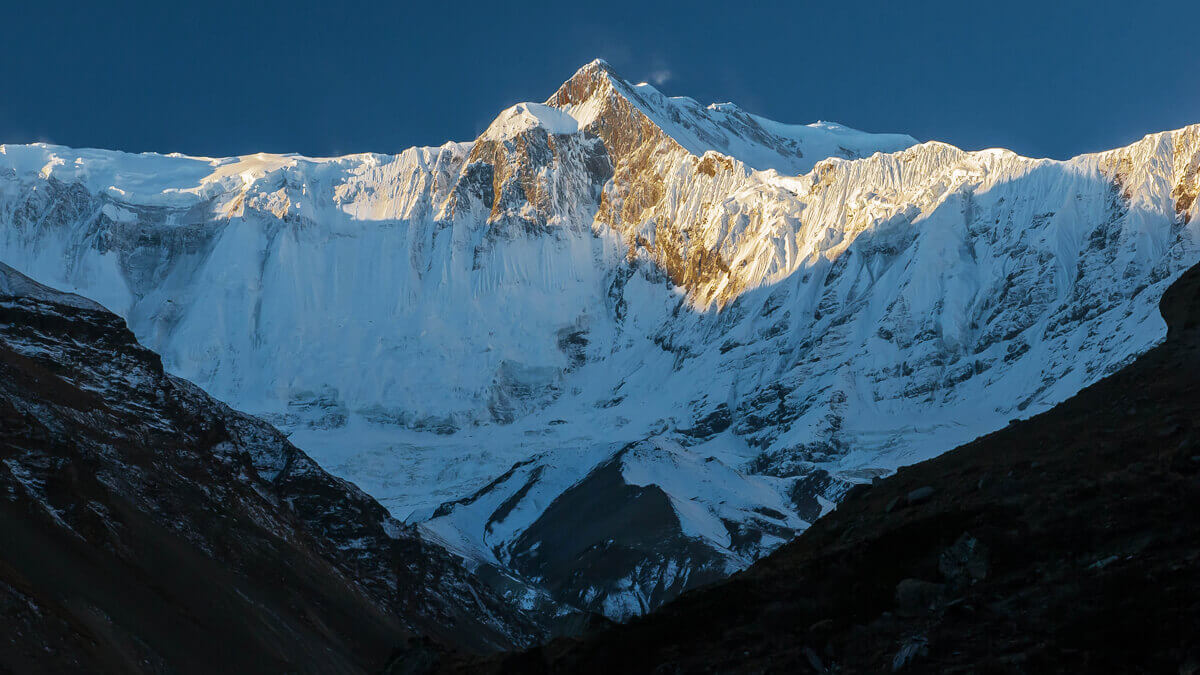
Restricted areas are usually the border areas of Nepal with Tibet, where foreigners are not allowed to enter by themselves. These areas also have a very fragile ecosystem and rich cultural heritage that requires active protection and preservation.
Regions such as Manaslu, Kanchenjunga, Dhaulagiri, Upper Dolpo, Upper Mustang, Humla, etc, are restricted areas in Nepal. The Nepal Government has made these areas restricted for the following reasons:
- Improve security near international border areas.
- Preserve fragile mountain ecosystems.
- Protect indigenous cultures and traditional lifestyles.
- Regulate the number of visitors entering sensitive regions.
- Support local community development through tourism revenue.
- Promote sustainable tourism.
To trek in the restricted areas of Nepal, foreigners have to follow the rules below:
- Your trek must be booked through an authorized Nepali trekking agency.
- You must trek with a licensed Nepali trekking guide.
- You must get the restricted area permit and other necessary permits.
Previously, there was a requirement for at least two trekkers in a group requirement for restricted area treks in Nepal. However, this rule has been removed since April 2026. Now, solo trekkers can freely trek in restricted areas in Nepal without worrying about finding another trekker.
How to plan your trek in Nepal?
In 2026, one thing that is easiest about trekking in Nepal is planning it. You do not have to do pretty much anything other than making sure you are physically and mentally ready for the journey you have picked.
Nepali trekking companies like us handle all trek logistics, including guide and porter arrangement, permits, transportation, etc. Decide which trek you want to do and search it on Google.
You will see many packages offered by different companies. We highly recommend trekking directly with a local Nepali trekking company because it removes middleman charges.
Most international travel companies work with Nepali trekking companies to organize their trips. They do not themselves visit Nepal to trek with you. We are the ones who are there for you from start to end.
Similarly, while picking the package, check the company's expertise, team, previous guest reviews, and service. Do not fall for the lowest price because it highly reflects the service and overall experience you will have.
But it also does not mean that packages at the highest cost guarantee the best trek experience. Do some research about the company and talk to them before finalizing your trip and making a trek booking payment.
You will get the best trekking service, support, cost, and safety guarantee with us, Adventure White Mountain :)
Below, I have made a step-by-step guide to help you plan your trek in Nepal:
Step 1: Choose the right trek for you
- It should meet your schedule and, most importantly, your fitness level.
- Do not choose the trek just because it is trending or sounds fancy to you.
- Check your budget and make sure it aligns with the trek you choose.
Step 2: Pick the right trekking season for you
You should choose the trekking season based on your scenery expectations, fitness, and previous experience. The best time for trekking in Nepal is spring and autumn. However, you can also trek in winter and summer/monsoon if you prepare for the weather.
April and October are the best months to trek in Nepal
Spring (March to May):
- If you want to see the foothills of the Himalayas blooming with rhododendrons and many other wildflowers.
- Stable weather, pleasant climate, and excellent mountain views.
- Perfectly busy trail - no overcrowding
Autumn (September to November):
- The most famous time to trek in Nepal. Famous trekking routes see hundreds of trekkers from around the world - a very amusing and delightful environment.
- Festival season in Nepal.
- Breathtaking landscapes, stable weather, and moderate climate.
Summer/monsoon (June to August):
- Weather in the Himalayas is highly volatile.
- Hot and humid climate.
- Slippery, muddy trails with leeches on lower elevations.
- Mountain vistas can be obstructed.
- Incredible vegetation richness and peaceful trails.
Winter (December to February):
- Coldest time of the year with potential snowfall at mid and high altitude.
- Visibility is great on most days.
- Jaw-dropping winter landscapes and clear mountain views.
- Weather can be quite unstable on some days, and some days can be very stable.
- Peaceful trails.
Step 3: Decide whether you want to do a guided or an independent trek in Nepal
Foreigners are allowed to trek without a guide in regions like Everest, Annapurna, and Langtang. However, trekking alone is not recommended.
Even if you do all the trek arrangements by yourself, I highly recommend hiring a guide for the journey to ensure your safety and the best trek experience.
Note that regions like Manaslu, Upper Mustang, Kanchenjunga, Upper Dolpo, etc, are restricted areas in Nepal for foreigners. Non-Nepali travelers can only trek in these regions with an authorized Nepali trekking company like Adventure White Mountain and a licensed guide
Step 4: Look for the trek you are interested in on Google and see who offers the best service and price
Many trekking companies are offering the same treks. However, not all of them have the same itinerary, service, and price. I personally recommend being more attentive to the service of the trekking company than focusing mainly on price.
Why risk better service, a safety guarantee, and a memorable trek experience to save USD 100 or USD 200? You are already visiting Nepal and spending all the money, so I don't think you should be frugal for the main part of your trip.
Step 5: Book your trek and flight tickets to Kathmandu
You have to find the trek you want to do and the company you want to trek with. Next, book your trek, and book it at least 6 to 12 weeks before your departure date. It gives you time to improve your fitness and mentally get ready for the remote mountain adventure.
Likewise, get your flight tickets as soon as your trek is confirmed. The earlier you book an international flight ticket, the better price you will get.
Step 6: Purchase well-covered travel insurance
Trekking in the remote mountains comes with the risk of altitude sickness, injuries, etc. So, it is best to have travel insurance to cover unpredictable circumstances and rescue services.
Your travel insurance should cover the following things:
- High altitude trekking in Nepal
- Emergency helicopter evacuation and rescue
- Medical bills
- Trip cancellation
- Loss/theft of personal belongings
Step 7: Train, prepare trekking gear, necessary documents, and arrive in Kathmandu on the date set by you and your trekking company
- Exercise daily and improve your stamina, endurance, and strength.
- Make sure your passport has at least six months of validity from the day you enter Nepal.
- Get your Nepal travel visa. You can also apply for an on-arrival visa if your country is eligible for it.
- You can buy trekking clothes and gear in your country. Or wait until you land in Kathmandu. You will have incredible options for trekking clothes and gear to buy in Kathmandu & at a very reasonable price. A rental option is also available for many pieces of gear.
- Make sure you schedule your flight to arrive in Kathmandu on the right day for the trek.
- We will be more than happy to personally welcome you to Nepal
Nepal trekking cost
Trekking in Nepal is quite affordable. There are budget-friendly to luxury trek options, so you will have a wide variety of treks to choose from as per your budget. We welcome many budget backpackers, mid-range travelers, and luxury travelers every year.
Several factors determine the cost of trekking in Nepal, such as your trekking region, trek duration, support requirement, logistics, permits, etc. On average, a moderate trek package like Ghorepani Poon Hill or Langtang Valley can cost USD 950 to USD 1,250 per person.
Similarly, on average, a luxury trek package can cost USD 2,800 to USD 5,500+ per person. If you are planning to trek without a guide, you can expect to spend USD 70 to USD 180 per day, depending on your spending habits and the comfort you seek.
Nepal trekking cost is determined by the following factors:
- Trekking permits: Restricted area permits are the most expensive ones.
- Guide and porter costs: A guide can cost you USD 25 to USD 40 per day, and a porter can cost USD 15 to USD 30 per day (not including their tips).
- Accommodation cost: A teahouse can cost USD 5 to USD 15 per night at lower elevations and USD 10 to USD 25 per night at high altitudes.
- Food and drinks: Expect to pay USD 4 to USD 10 for breakfast and USD 5 to USD 12 for lunch and dinner.
- Transportation: Depending on the mode of transportation (tourist bus, domestic flights, private jeep,
- local buses, and helicopter flights), you can expect to pay USD 15 to USD 950 per seat.
- Trekking equipment: You can buy trekking clothes and gear at a very reasonable price in Kathmandu. Similarly, a rental option is also available for trekkers.
- Travel insurance: Travel insurance is not usually included in the trek package cost. Trekkers have to buy it. Usually, travel insurance should include emergency helicopter evacuation, high-altitude trekking, and medical bills.
Expenses that are not included in the trek package cost
If you decide to buy a trek package, note that the following expenses are not usually included in it. You have to pay them yourself.
- International flight tickets
- Nepal travel visa
- Trekking equipment
- Lunch and dinner in Kathmandu
- Tips for guide, porter, and drivers
- Travel insurance
- Soviners
- Personal expenses during the trek such as WiFi, charging, and hot showers
How to save money while trekking in Nepal
If you have a tight budget, the tips below will help you reduce costs without compromising your experience.
- Trek in the off-season, also known as shoulder season, for low accommodation rates.
- Rent expensive trekking gear such as trekking poles, a down jacket, a sleeping bag, etc.
- Carry a reusable water bottle and water purification tablets instead of buying bottled water.
- Eat local meals such as dal bhat and thukpa, which are filling and cost less. You also get to refill dal bhat free of cost.
- Join a shared group departure instead of a private trek. You will save a lot of money as the expenses are shared between the trekkers.
- Book your trek with a reputable local trekking company, which often offers better value than international operators.
Check our best-selling trips
Price from
US$1200
US$1500
Price from
US$1800
US$2300
Price from
US$3000
US$4800
Price from
US$1100
US$1300
Trekking in Nepal FAQs
Is trekking in Nepal difficult?
Nepal has all levels of treks, from easy village hikes to extremely challenging high-altitude adventures. The trek difficulty depends on which trek you have picked and your readiness for the journey.
Sometimes even experienced trekkers struggle because they do not prepare well for the trek. Preparation for trekking in Nepal includes getting fit, mental readiness, and proper packing.
When is the best time to trek in Nepal?
- Nepal is open for trekking throughout the year. However, every season has its ups and downs.
- Spring and autumn have the best weather and trail conditions with crystal-clear mountain vistas.
- Winter treks are best for peace, low accommodation costs, and spectacular snowy landscapes.
- During the monsoon, you can trek to Upper Mustang or Upper Dolpo, which are rain-shadow areas. There is almost no rain in these regions.
Which trek is best in Nepal?
All treks in Nepal have their speciality. It depends on what you are looking for and your fitness, budget, previous experience, and schedule. If you ask us, the most famous treks in Nepal would be:
- Everest Base Camp trek
- Annapurna Base Camp trek
- Annapurna Circuit trek
- Ghorepani Poon Hill trek
- Langtang Valley trek
- Upper Mustang trek
- Manaslu Circuit trek.
How much does trekking in Nepal cost?
Trekking in Nepal can cost you up to USD 850 to USD 1,850 per person. This is the basic package cost rate. In addition, you also have to bear international flight tickets, travel insurance, tips, lunch and dinners in cities, personal expenses, souvenirs, trekking clothes and gear, etc.
Can beginners trek in Nepal?
Yes, a beginner can trek in Nepal. There are many beginner-friendly trekking options such as Ghorepani Poon Hill trek, Mardi Himal trek, Everest Panorama trek, Langtang Valley trek, Pikey Peak trek, etc.
Do I need a guide for trekking in Nepal?
Not all trekking routes require a guide. However, as professional trekkers, we always recommend trekking with a guide. It ensures your safety in remote Himalayan trails that are not connected to the rest of Nepal.
What permits are required?
Permits depend on the trek you choose. All trekking regions have a national park or conservation area permit along with either a TIMS Card, a rural municipality permit, or a restricted area permit.
You will also have to get a Nepal travel visa. Check out more details about Nepal travel visas on this blog.
How many days do I need?
To do a standard famous trek in Nepal, you need at least two weeks. However, there are also treks that you can complete in one week.
Is Nepal trekking safe?
Yes, Nepal is the safest country in South Asia to travel. Crime against tourists is almost non-existent. Similarly, locals are also very friendly and welcoming. You will not feel threatened or discriminated against in Nepal.
What should I pack?
While packing for a trek in Nepal, remember that you need clothes in different materials. Layering is the key to comfortable clothing while trekking. Wear a moisture-wicking base layer and top it with fleece and a down jacket.
Similarly, you need nice trekking boots (broken in), trekking poles, a daypack, a personal first aid kit, a water bottle, toiletries, skincare, snacks, and lots of SPF.
Which trek has the best mountain views?
The answer depends on which mountains you want to see. The upper north section of Nepal is covered with the Himalayan range. It has an uncountable number of mountains.
If you want to see the tallest mountain in the world, Everest, you have to trek in the Khumbu region. Likewise, to see the world's 3rd highest mountain, you have to trek in the Kanchenjunga region, and the list goes on like that.
Can I trek solo in Nepal?
Yes, you can trek solo in Nepal. However, independent treks are not allowed in restricted areas such as Manaslu, Upper Mustang, Upper Dolpo, etc.
Note that solo trekking is usually discouraged unless you are a very experienced trekker. Accidents, unstable weather, altitude sickness, communication limitations, and rugged terrain make solo treks risky.
What is the easiest trek in Nepal?
There is no such thing as the easiest trek in Nepal. However, some treks are much more achievable than others. For example, treks like Ghorepani Poon Hill, Everest Panorama trek, Dhampus trek, etc, have a high success rate.
Which trek is the hardest?
The hardest treks in Nepal include Manaslu Circuit trek, Everest Three Passes trek, Kanchenjunga Circuit trek, Dhaulagiri Base Camp trek, Upper Dolpo trek, etc.
Which trek is best for families?
The top family treks in Nepal are Everest Panorama trek, Ghorepani Poon Hill trek, Ghandruk trek, Langtang Valley trek, etc. Some parents also do Everest Base Camp and Annapurna Base Camp treks with their kids.
What is the cheapest trek in Nepal?
Some of the cheapest treks in Nepal are Ghorepani Poon Hill trek, Ghandruk trek, Dhampus trek, Everest Panorama trek, Mardi Himal trek, etc.
Final thoughts
Trekking in Nepal is for everyone. You can trek here any time of the year. Whether you are trekking for the first time or not, whether you are a solo trekker or traveling with your friends or family, you will have a trek to enjoy.
We hope that through this blog, you got to know the top treks in Nepal in 2026 and 2027 along with basic trekking information, how to plan your trip, and a standard trek cost.
If you have any more questions or are confused, feel free to contact us anytime. We will be glad to assist you and possibly organize your dream adventure in Nepal when you are ready.