We don't just plan trips — we live them.
Tourism License: 2386/074
Dipak Sapkota
Need help? Give us a call.
Plan Your Trip
Book Now
Price from
US$900

Everest Panorama Trek

481 reviews
86 reviews
526 reviews

If you don't want to commit to a long, arduous trek but still want to experience the magnificent beauty of the Everest region, the 9-day Everest Panorama trek is perfect for you. It is designed for travelers seeking an unforgettable Himalayan adventure in a short time. 

The Everest Panorama trek combines the bustle of Kathmandu, thrilling Lukla flights, spectacular mountain scenery, rich Sherpa culture, ancient monasteries, adventurous trekking, comfortable lodges, and breathtaking views of the Himalayan mountains. 

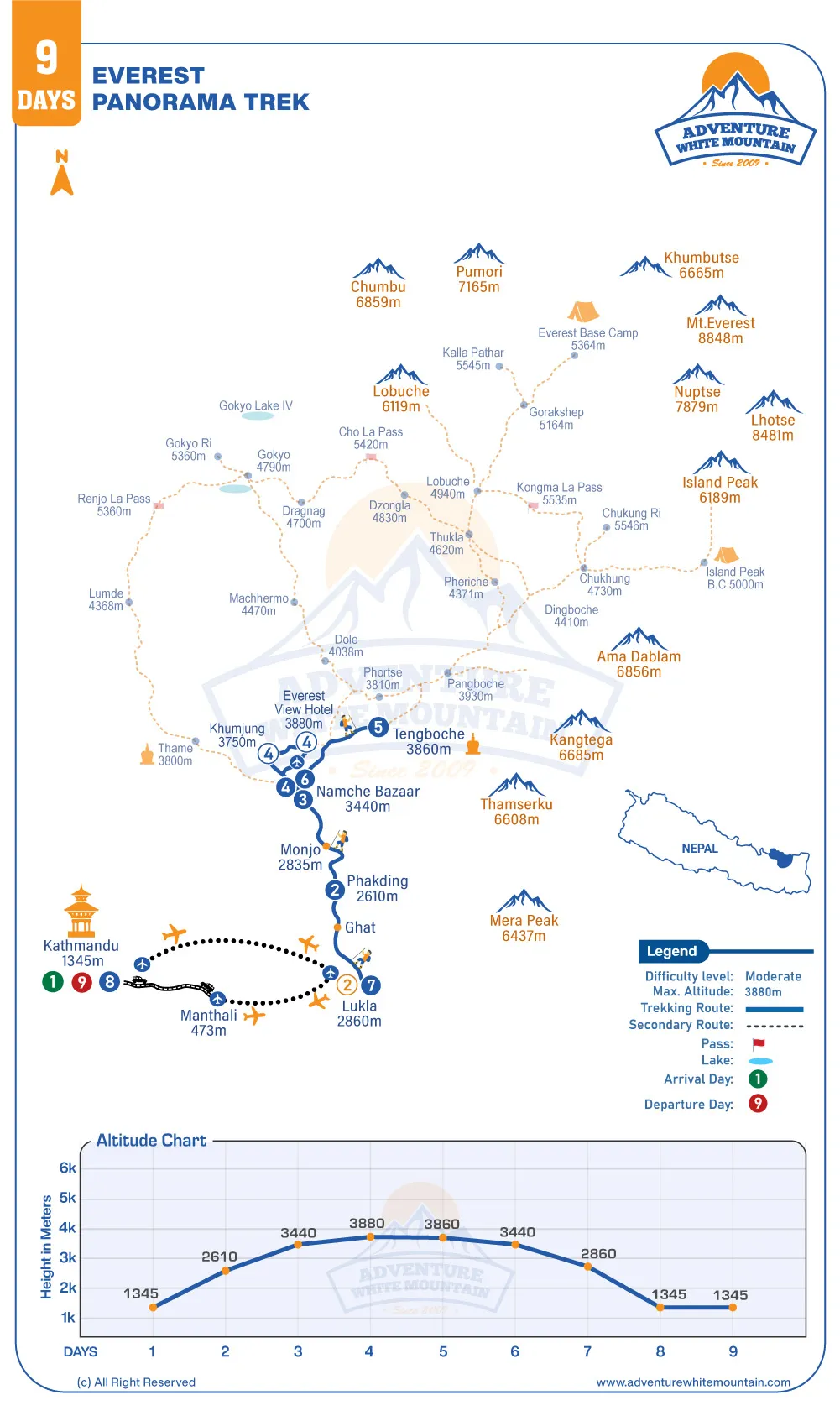
Tengboche village at 3,860 meters (12,660 ft) is the highest point you will reach on the Everest Panorama trek. Unlike other treks in the Everest region, the Everest Panorama trek does not gain significant elevation and has a low risk of altitude sickness. 

With a moderate pace and excellent service along the trail, the Everest Panorama trek is a suitable trip for beginner trekkers, families, active seniors, nature lovers, and anyone looking for a short yet memorable and meaningful journey in the Himalayas.

Duration
9 Days
Trip Grade
Moderate
Country
Nepal
Maximum Altitude
3,860 m/12,660 ft
Starts
Lukla
Ends
Lukla
Group Size
1-20
Activities
Trekking
Best Time
Spring (March to May) and autumn (September to November)

Highlights

  • A perfect trek for those looking for a short, less challenging adventure in the Everest region
  • Complete the trek in under 10 days
  • Enjoy the bustle of Kathmandu
  • Take thrilling flights in and out of Lukla Airport
  • Ideal for trekkers of all ages with or without previous trekking experience
  • Low altitude gain (under 4,000 meters) and less risk of altitude sickness
  • Trek through rhododendron and magnolia forests 
  • Cross numerous hanging suspension bridges 
  • Explore famous Sherpa villages such as Lukla, Phakding, Namche Bazaar, and Tengboche
  • Get to know Sherpa culture and lifestyle closely
  • Explore ancient stupas, chortens, monasteries, and prayer wheels along the way
  • Witness jaw-dropping landscapes and stunning views of Mt. Everest, Mt. Lhotse, Mt. Nuptse, Mt. Thamserku, Mt. Ama Dablam, etc

Everest Panorama trek introduction

Do you want to trek in the Everest region and see Mount Everest and meet Sherpa people without doing the long Everest Base Camp trek? The Everest Panorama trek is best for you.

It is a short 9-day trek that includes hiking through beautiful mountain villages such as Lukla, Phakding, Namche Bazaar, and Tengboche. Trekkers get to see breathtaking views of Mt. Everest, Mt. Lhotse, Mt. Nuptse, Mt. Ama Dablam, Mt. Thamserku, etc.

The trail passes through lush rhododendron and magnolia forests in the Dudh Koshi River Valley and crosses numerous suspension bridges.

You will experience an authentic mountain lifestyle and explore ancient monasteries and stupas on the way. The journey includes meeting fellow trekkers from around the world and intimate encounters with the locals.

The hike itself is not that easy. You will walk 5 to 6 hours a day depending on your pace. The trail ascends and descends throughout the way, so considerable effort is required.

But unlike the EBC trek, the Everest Panorama trek is not challenging. You can complete this trek with normal fitness and a hunger for adventure.
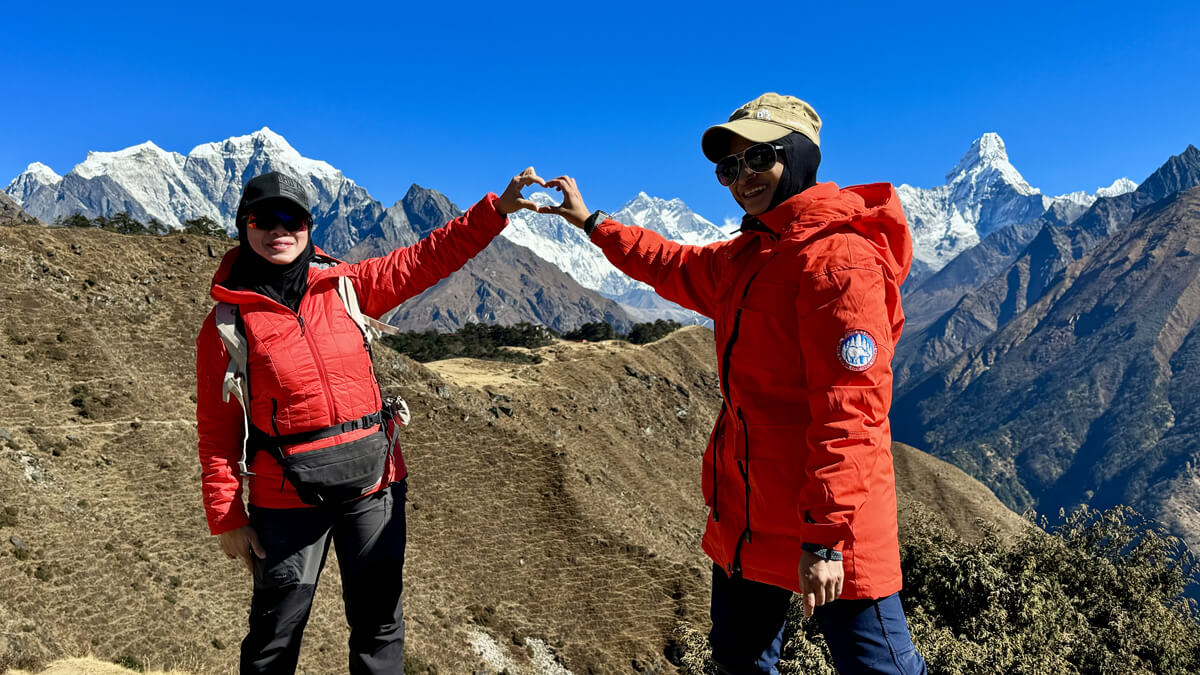
everest view trek

Reaching the top of the world is not for everyone, but it doesn't mean you cannot experience being close to it. And the Everest Panorama trek gives you that opportunity.

So, whether you are trekking for the very first time or want to visit Nepal for a short trek, the Everest Panorama trek is a great choice for you.

We welcome solo trekkers, small/big groups, students, families with kids, senior trekkers, corporate groups, and people who need special support. You will get comprehensive trek support from Adventure White Mountain.

Everest Panorama trek is also known as Everest View trek.

What makes the Everest Panorama trek special?

If we have to pick the most rewarding short treks in the Everest region, the Everest Panorama trek would be our top choice. You get to experience an incredible Himalayan adventure without much physical demand.

Although the trek is short and the elevation gain is nominal, you will witness jaw-dropping views of the tallest mountain in the world, Mt. Everest, along with several giant Himalayan mountains such as Lhotse, Nuptse, Ama Dablam, Thamserku, etc.

Lhotse is the 4th-highest mountain in the world.

Here's what makes the Everest Panorama trek truly special and the best short trek in Nepal:

Perfect introduction to the Himalayan trail:

We always say how the Himalayan terrain is different from other mountain ranges around the world.

If it is your first time trekking in Nepal, the Everest Panorama trek 9 days offers an excellent introduction to rugged, winding Himalayan trails that constantly ascend and descend.

Even a trek that is considered moderately easy includes an elevation gain of almost 4,000 meters and considerable challenges. The Everest Panorama trek will prepare you for longer treks such as the EBC trek, Annapurna Base Camp trek, and Langtang Valley trek.
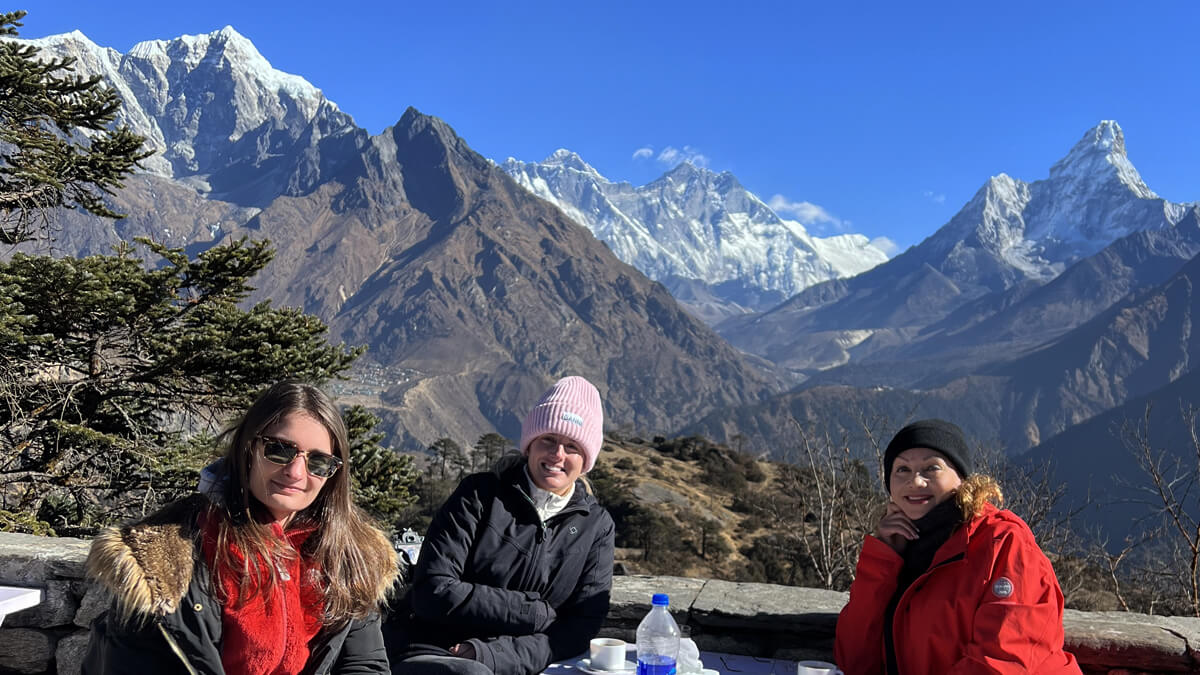
everest view trek

The scenic and thrilling flight to Lukla:

The adventure in the mountains begins with the popular Lukla flight. It will be a short 30-minute flight, but the adventure begins with a midnight drive from Kathmandu to the Ramechhap Airport (in the spring and autumn seasons).

Only small, fixed-wing aircraft fly in and out of Lukla Airport. For most travelers, it will be their first fixed-wing aircraft experience, both special and exciting.

Then comes the landing and take-off from Lukla Airport. The airport is situated at 2,845 meters above sea level, and the runway is only 527 meters long and 20 meters wide.

Passengers literally clap after experiencing landing and take-off at this airport, given its unique characteristics and seeing the pilots' skill.  

The Sagarmatha National Park:

The Everest Panorama trek is within the Sagarmatha National Park. It is a UNESCO World Heritage Site. The park extends over varying elevations. Therefore, it has exceptional biodiversity and dramatic landscapes.

You will explore many plants and birds along the trail. The park has rhododendron and magnolia forests, as well as alpine hills and meadows. As the Everest Panorama trek route stays below 4,000 meters, you will explore a variety of vegetation and seasonal flowers.

Explore the very famous Namche Bazaar:

Namche Bazaar is the heart of the Everest region. It is the biggest Sherpa settlement in the region and has a vibrant market. In Namche Bazaar, you will find almost everything.

From cozy cafes and bakeries to lovely hotels, pubs, gear shops, and souvenir shops, this mountain town will keep you entertained. Not only that, but there are also lounges, salons, museums, photo galleries, and special weekly local markets.

Experience the legendary Everest trail:

You will follow the world-famous Everest Base Camp trail but only hike up to Tengboche village. Starting from Lukla, walk through lush hills and cross the roaring Dudh Koshi River as you gradually ascend via small mountain villages and follow winding, rugged hillsides. Every turn in the trail will bring beautiful scenery, and gradually mountain vistas open up.

Discover the rich Sherpa culture:

Sherpas have become a prominent name in the mountaineering world. They are known for their insane fitness, high-altitude performance, and climbing skills.

But beyond the mountains, Sherpas are an indigenous Nepali community that primarily resides in the Everest region. They are kind, humble, and friendly people.

During the trek, you will get to see their lifestyle and culture to some extent. Similarly, you will experience heartwarming Sherpa hospitality and have memorable encounters with them.

Explore the biggest monastery in the Everest region:

Our last hiking point on the Everest Panorama trek is Tengboche village. In this village, you will get to explore the Tengboche Monastery, which is the biggest monastery in the Everest region.

The monastery offers great insight into the rich Buddhist culture of the Everest region. You will learn about local beliefs and practices and explore religious artifacts.

Mount Everest view without EBC trek:

The name of this package itself says Everest Panorama. This trek is designed to offer travelers a short and easier alternative to the EBC trek.

Trekkers get to enjoy unparalleled views of Mount Everest, along with Sherpa culture, striking landscapes, and many other mountains.

Comfortable yet adventurous:

The Everest Panorama trek carries a perfect balance of adventure and comfort. The trek includes 5 to 6 hours of daily hiking with plenty of time to enjoy the scenery, take photographs, and mingle with locals.

You will enjoy the excitement of the Himalayas while also relishing comfortable accommodation and delicious food. If your budget allows, you can upgrade to luxury accommodation to enjoy premium amenities and exclusive services.

Mountains you will see during the Everest Panorama trek

On the Everest Panorama trek, you will see the world's tallest mountain, Everest (8,849 m), and the 4th-highest mountain, Lhotse (8,516 m). Along with that, you will see some of the most spectacular mountains such as Thamserku (6,623 m), Ama Dablam (6,812 m), Nuptse (7,861 m), Kangtega (6,782 m), Taboche (6,495 m), etc.

The mountains and the scenery change every day. The higher you ascend, the clearer the mountain views become. From Top Danda (right before reaching Namche Bazaar), you will see the first glimpse of Everest if the sky is clear.

Best viewpoints on the Everest Panorama trek route:

  • First glimpse of Mt. Everest from Top Danda.
  • Prominent view of Kangtega, Thamserku, and Taboche on the way to Namche Bazaar and Hotel Everest View.
  • Breathtaking view of Everest, Lhotse, Nuptse, and Ama Dablam from Hotel Everest View.
  • Excellent view of Everest and Ama Dablam from Tengboche village.

What is it like trekking the Everest Panorama trail?

The Everest Panorama trek is more than just an adventure. It is a full mountain experience from early mornings and crisp Himalayan air to hearty breakfast and walking beneath towering peaks.

Your time in a cozy teahouse will be as memorable as the adventurous trail. The conversations with locals and memorable moments with fellow trekkers will shape your journey.

Here's what a typical day looks like during the Everest Panorama trek:

  • Wake up to the fresh Himalayan air and enjoy a hearty breakfast: Your day starts between 6:00 and 7:00 AM. Wake up with crisp mountain air, birds chirping, and occasional ringing of yak bells. Freshen up and enjoy a soothing warm cup of tea or coffee, followed by a delicious breakfast that we order the night before.
  • Get ready for the day: After breakfast, get ready for the trail. Gear up and pack your belongings. Porters will carry the heavy duffel bags while we carry a light daypack.
  • Walk through beautiful Himalayan forests: The lower section of the Everest region mostly passes through rhododendron woodlands, pine and fir forests, and juniper groves. In spring, the forests bloom with colorful flowers. Along the way, cross hanging suspension bridges and lovely streams.
  • Short tea breaks along the trail: We love the simple pleasures of trekking, and one of them is a short break for delicious tea at teahouses. These short breaks are great to rest and recover, refill our water bottles, use the bathroom, and have social moments with our group.
  • Lunch with mountain views: Around midday, we stop for lunch in one of the beautiful Sherpa villages on the way. It is important to eat a carbohydrate-rich lunch to have ample energy to cover the rest of the trail. So, we either have dal bhat, fried rice, pasta, momo, noodles, etc. It is also a great chance to recharge physically and mentally.
  • The afternoon trek and arrival at your destination: After lunch, we hike, enjoying nature and stunning mountain landscapes. On the way, explore prayer wheels, stupas, chortens, etc. You will most likely arrive at your destination by 4:00 PM. You will have plenty of time to relax and explore the village before dinner.
  • Cozy communal dining space and delicious dinner: At sunset, trekkers gather in the dining room of the teahouse. The space buzzes with conversation and laughter. You can mingle with fellow trekkers, play cards, share stories, and enjoy a scrumptious dinner.
  •  Peaceful night or maybe not so peaceful night: After dinner, you can chat for a bit and sleep early. After a long day of trekking, it is common to fall asleep early. It seems like the mountain calms down. The peace is healing. During peak trekking season, trekkers keep coming and going, so it can be disturbing. Carry earbuds.

Is the Everest Panorama trek 9 days suitable for you?

The Everest Panorama trek is a fantastic short trek. If you are looking for a trek under 10 days in the Everest region, the Everest Panorama trek is perfect for you.

This trek flawlessly balances adventure, moderate physical challenge, breathtaking Himalayan scenery, and Sherpa culture immersion. Most importantly, the Everest Panorama trek has a low risk of altitude sickness.

If you have ever dreamed of witnessing Mount Everest with your own eyes or trekking in the Everest region but couldn't commit to long treks like EBC or Gokyo Lakes, the Everest Panorama trek will be best for you.
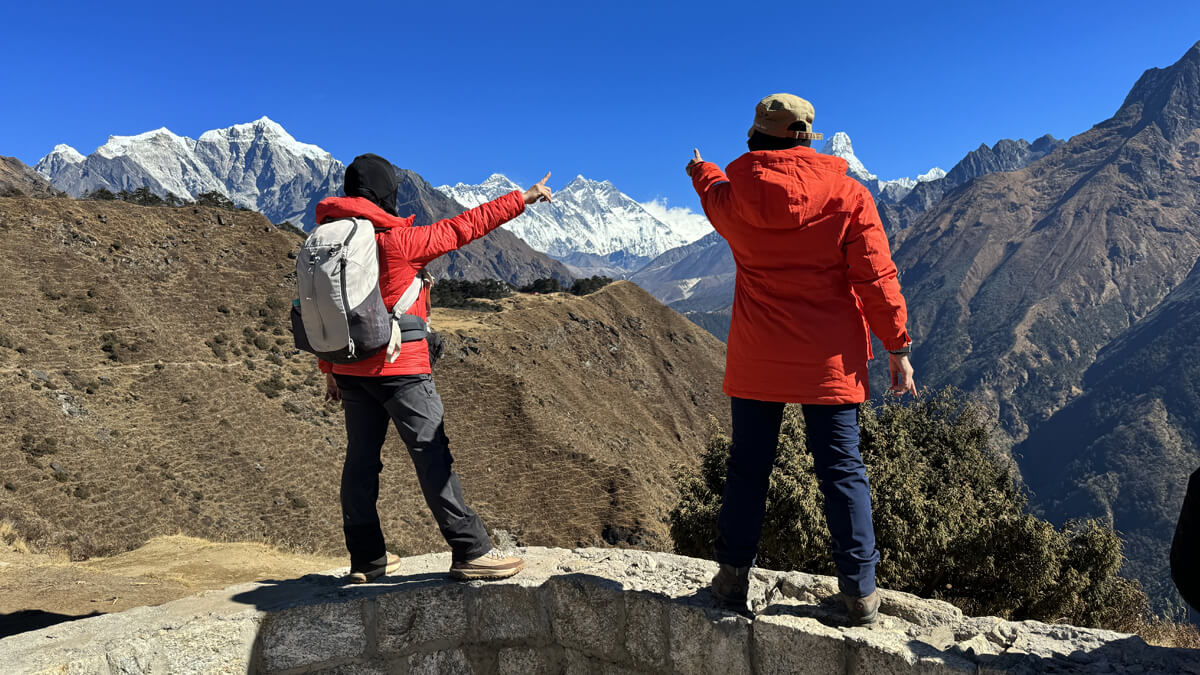
everest panorama trek

The Everest Panorama trek is suitable for:

  • First-time trekkers: First-time trekkers will have a perfect introduction to the Himalayan trail. The Everest Panorama trek has well-established trails, a slow pace, manageable distance, and excellent trekking infrastructure.
  • Travelers on a short vacation or bound by time can complete this trek in 9 days. The journey is short yet very rewarding, immersive, and adventurous.
  • Families: Families who want to trek in the Everest region with their kids will find the Everest Panorama trek ideal. It has all the adventures, experiences, and cultural encounters. Your kids will be accustomed to high-altitude walking for several hours but with no risk of altitude sickness.
  • Active senior trekkers: If you are in your 50s, 60s, or 70s and want to see Mount Everest closely, the Everest Panorama trek is a great choice. The trek is achievable, and the services along the way make it easier to deal with the adventure part of the journey.
  • If you are concerned about high altitude, the Everest Panorama trek is a great choice for you. This trek stays under 4,000 meters, and the risk of altitude sickness is also comparatively quite low.

Everest Panorama trek preparation

Preparing well before the trek begins makes the journey safer, more enjoyable, and rewarding. Although the Everest Panorama trek is not as challenging as the EBC trek or other treks in the Everest region, it still requires 5 to 6 hours of hiking each day on rugged terrain. So, you have to be reasonably fit.

  • Get fit for the trek: Exercise for 6 to 8 weeks before the trek begins. Strength training, cardio, and regular long walks are highly recommended. You cannot do just one. You need to balance all three. You have to focus on improving your endurance, stamina, and strength while forming a long walking habit.
  • Understand the high altitude environment: Above 2,500 meters, your body begins to feel the effects of high altitude. Air becomes thin, cold increases, and oxygen levels slowly drop. Trekkers may experience lightheadedness, fatigue, or loss of appetite. By understanding high altitude, it will be easier to deal with its challenges. You wi
  • Mental preparation: Mental preparation means accepting long walking hours, simple teahouses, and adjusting to weaker networks and unpredictable mountain weather.
  • Pack the right clothing: You have to pack the right clothes and gear for the best trek experience. By dressing up properly and carrying essential stuff, you will be less stressed and enjoy the trek to the fullest.

Everest Panorama trek cost and booking

The Everest Panorama trek is affordable in the Everest region. Depending on the itinerary, the Everest Panorama trek package usually costs under USD 1,000 per person. However, the luxury version of this trek can cost up to USD 1,550 to USD 2,250 or more per person.

We, Adventure White Mountain, have the best Everest Panorama trek cost in the market with great service. We have both private and fixed group departures available for the Everest Panorama trek.

  • Group departure is best for trekkers who want the lowest price, enjoy meeting new people, and prefer a shared experience.
  • A private trek is an excellent choice for trekkers looking for a personalized experience, flexibility, and who appreciate an exclusive trip.
  • When should you book the trek? We recommend booking the trek at least 2 to 4 months in advance. It gives you ample time to prepare physically and mentally and pack for the journey.
  • How to book the trek: You can book the Everest Panorama trek directly through our website. Click on the booking button on this page, fill in the required information, and make partial or full payment. That's it. It is as simple as that. However, if you want to customize the itinerary or services in the package, we recommend contacting us.

Why do the Everest Panorama trek 9 days with a local Nepali trekking company?

By doing the Everest Panorama trek or any trek in Nepal with a local Nepali trekking company, you get competitive pricing, reliable emergency support, experienced government-licensed trekking guides, and a deep understanding of the regions and the locals.

Even if you book the trek with an international travel company, at the end of the day, a local Nepali trekking company like us handles everything in Nepal. So, why not directly book the trek with us?

Adventure White Mountain is a trusted, reliable, and highly experienced Nepali trekking company that has assisted thousands of trekkers. Our team takes care of the Everest Panorama trek permits and all logistics involved in this trip.

From Lukla flights and a professional trekking guide and porter to permits, ground transportation, accommodation, and other services, we will handle everything. So, you do not have to worry about anything.

You should trek with us in Nepal because:

  • We offer several years of expertise and deep knowledge about Everest trails.
  • Our guides and porters are trained individuals with numerous years of expertise. They know high-altitude first aid, provide acclimatization support, and are capable of handling unforeseen situations.
  • The journey becomes rich in culture, stories, local traditions, and history with us.
  • Our fixed departure groups are small. So, every trekker gets full attention.
  • We have carefully designed our Everest Panorama trek itinerary to perfectly balance a gradual pace, acclimatization, adventure, and comfort.
  • There are no hidden costs with us. One of our core values is price and policy transparency.
  • We carefully hand-pick lodges. So even if you stay at simple lodges, you will have the best ones.
  • 24/7 support, safety guarantee, timely updates, and alternative arrangements are some of our other perks.
  • We are also committed to eco-friendly and sustainable tourism. Our trips are consciously organized. Likewise, we follow Leave No Trace principles and actively support local communities.
  • You will get excellent value for your money.
22% OFF
Price Per Person
US$900
US$1150
  • 1 paxUS$1050
  • 2 - 4 paxUS$1000
  • 5 - 10 paxUS$950
  • 11 - 15 paxUS$900
Speak to a Travel Expert

Everest Panorama Trek Detailed Itinerary

Day 1

Arrival in Kathmandu and transfer to the hotel

We will be present at the airport to welcome you and transfer you to the hotel. You can meet our team in the arrival lounge with your nameplate. From the airport, it takes around 20 to 30 minutes to reach Thamel, the tourist hub in Kathmandu.

You will be staying in this neighbourhood. It has many hotels, cafes, restaurants, gear shops, souvenir shops, clubs, etc. Thamel is the perfect place to begin your adventure in Nepal.

After checking in at the hotel, rest for a bit. Later, we’ll meet for a quick trek briefing. You will also meet with your trek leader. After that, you can explore the gear shops around the area and do last-minute shopping for the trek.

End the day early, because you will be leaving Kathmandu around midnight to drive to Ramechhap Airport for an early morning Lukla flight.

Max Altitude: 1,324m (4,343ft)
Meals: None
Accommodation: 3-Star Hotel
Mode of Transportation: Private Transport
Day 2

Early morning flight from Kathmandu to Lukla Airport and trek to Phakding (2,610 m/8,563 ft)

As mentioned above, you will leave Kathmandu around 12:00 AM - 1:00 AM to reach Ramechhap Airport by 4-6 AM. The drive will be smooth. There will be no traffic.

Upon arriving at the airport, we go through security and prepare for a marvelous flight to Lukla Airport. The flight will be around 30 minutes long and offers a breathtaking view of the Himalayas in the glowing rays of the sun as it rises.

The landing will be incredible, too. Get your luggage and tie your trekking boots to descend to Phakding village. Our porters will join us in Lukla. They take care of heavy duffel bags.

As you walk through the bustling streets of Lukla, you will experience the vibrant energy of this remote part of the world. The trail gradually descends alongside the Dudh Koshi River, crossing it several times via suspension bridges along the way.

You will pass by small Sherpa settlements on the way, such as Chheplung, Thadokoshi, and Ghat. Most of the trail goes through rhododendron and magnolia forests and offers occasional distant views of snow-clad peaks.

Why do we fly to Lukla from Ramechhap Airport instead of Kathmandu Airport?

In spring (March to May) and autumn (September to November), Lukla flights are operated from Ramechhap Airport to ensure on-time service for travelers.

The Kathmandu Airport gets quite busy in these two seasons because these are the peak travel times in Nepal. Thousands of tourists fly in and out of the city every day. So, air traffic is high.

  • It takes approximately 4-5 hours to drive to Ramechhap Airport from Kathmandu Airport.
  • As the Lukla flights are mostly early in the morning, we have to leave Kathmandu around midnight to reach Ramechhap Airport on time for the Lukla flight.

Why descend to Phakding village the same day?

The elevation gain from Kathmandu to Lukla is very high. You gain around 1,516 meters in around 30 minutes. The longer you stay in Lukla, the harder it may be for you to adjust to the increased altitude.

So, we’ll descend to Phakding village to spend the night. It lowers the risk of altitude sickness and is easier on your mind and body.

Lukla flight alternative:

We understand that driving to the airport in the middle of the night, then taking an early morning flight, and hiking 4-5 hours the same day can be a lot for some trekkers. So, we provide a helicopter flight upgrade to the trekkers.

It will cost an additional USD 500 to USD 600 for the upgrade. The best thing about the helicopter flight to Lukla is that you do not have to travel to Ramechhap Airport.

Helicopter flights to Lukla are operated from the Kathmandu Airport throughout the year. Moreover, the helicopter flights are much more comfortable and less overwhelming than the standard Lukla flight.

Everest Panorama trek via road (without any domestic flight):

Not many trekkers know that you can actually trek in the Everest region without the Lukla flight. You can drive from Kathmandu to Jiri or Surke and start trekking from either of these two places.

  • Jiri to Lukla route: You can reach Phakding village in around 4 to 6 days of trekking from Jiri.
  • Surke to Lukla route: First, you drive from Kathmandu to Salleri (8-10 hours). Then drive from Salleri to Surke (3-4 hours) the next day. From Surke, you can hike to Lukla in around two hours.
Max Altitude: 2,610m (8,562ft)
Elevation Gain: 1265 Meters
Duration: 35 minutes flight & 3 hours trek
Distance: 6.2 km/3.8 miles
Meals: Breakfast, lunch, and dinner
Accommodation: Tea House
Mode of Transportation: Domestic flight
Day 3

Trek from Phakding to Namche Bazaar

Today, you will trek to Namche Bazaar. The trail ascends above the Dudh Koshi Valley through rhododendron and magnolia forests. You will hike following the river, crossing it multiple times via suspension bridges.

The trail passes through small Sherpa villages. You will register the permits at the police checkpost right out of Monjo village. Then you will cross the iconic, long Hillary Suspension Bridge.

As you continue trekking, the trail steeply ascends to Top Danda. If the sky is clear, you can witness the first glimpse of Mt. Everest from here. A short walk from Top Danda will bring you to Namche Bazaar.

  • The last two hours of ascent to Namche Bazaar are quite steep. You must pace yourself and use trekking poles to safely navigate the trail.
  • Namche Bazaar: Namche Bazaar is the biggest Sherpa settlement in the Khumbu region. It is a bustling town with helipads, museums, ATM lounges, salons, pubs, cafes, hotels, bakeries, gear shops, and souvenir shops.
Max Altitude: 3,440m (11,286ft)
Elevation Gain: 830 Meters
Duration: 6-7 hours
Distance: 15 KM
Meals: Breakfast, lunch, and dinner
Accommodation: Tea House
Day 4

Acclimatization in Namche Bazaar: hike to Hotel Everest View (3,962 m/13,000 ft)

Acclimatization breaks are crucial to avoid altitude sickness while trekking in the Himalayas. On this trek, we take one acclimatization break in Namche Bazaar, which will be enough as we only ascend to Tengboche village.

We spend acclimatization days by going on a short hike to catch a sunrise, and then spend the remaining day resting. From Namche, you will hike to the Hotel Everest View.

Hotel Everest View is one of the highest luxury hotels in the world. It offers Mount Everest views from all of its room windows. In fact, the hotel also holds the Guinness World Record for the highest luxury hotel in the world in 2008.

Namche Bazaar to Hotel Everest View route:

Leaving Namche Bazaar, you will head up following a steep trail and switchback via natural dirt paths. Then walk on stone steps and pass by massive mani stones and prayer flags.

You will reach Syangboche Airstrip in 45 to 60 minutes. From here, you will hike another 30-45 minutes to reach the hotel's ridge. Enjoy a refreshing drink upon reaching Hotel Everest View. You can also have a delicious breakfast. An additional charge applies.

You can see a beautiful view of Mt. Everest, Mt. Lhotse, Mt. Nuptse, and Mt. Ama Dablam from Hotel Everest View. After spending some time, return to Namche Bazaar for the night's stay.

On the way, you can stop at the Sherpa Culture Museum and the Everest Photo Gallery. Likewise, visit other museums and explore shops and cafes.

Max Altitude: 3,962m (12,998ft)
Elevation Gain: 440
Duration: 5 Hours
Distance: 8 KM
Meals: Breakfast, lunch, and dinner
Accommodation: Lodge
Day 5

Trek from Namche Bazaar to Tengboche village (3,860 m/12,660 ft)

From Namche Bazaar, you will ascend to Tengboche village. It will be your final ascent on this short trek. The trail first follows relatively flat terrain to Kyangjuma.

You will ascend above the Dudh Koshi River, enjoying stunning views of Everest, Lhotse, Nuptse, and Ama Dablam. The trail then descends steeply through rhododendron and pine forests to Phunki Tenga.

Further, the trail continues through forested hills to Tengboche village. In this village, you will explore the biggest monastery in the Khumbu region, Tengboche Monastery. Similarly, the view of Mt. Everest and Mt. Ama Dablam is also wonderful from here.

  • Tengboche Monastery: Tengboche Monastery, also known as Dawa Choling Gompa, is the largest Tibetan Buddhist monastery in the Khumbu region. It was founded in 1916 by Lama Gulu and has deep ties with Rongbuk Monastery in Tibet.
Max Altitude: 3,860m (12,664ft)
Elevation Gain: 427 Meters
Duration: 5-6 hours
Distance: 10KM
Meals: Breakfast, lunch, and dinner
Accommodation: Lodge
Day 6

Descend from Tengboche to Namche Bazaar (3,440 m/11,290 ft)

Today onwards, you will begin descending back to Lukla. On this day, you will follow the same trail back to Namche Bazaar from Tengboche village. The trail steeply descends through rhododendron and pine forests to Phunki Tenga. From here, you will ascend to Kyangjuma and walk to Namche Bazaar.

Max Altitude: 3,440m (11,286ft)
Elevation Loss: 427 Meters
Duration: 5-6 hours
Distance: 10KM
Meals: Breakfast, lunch, and dinner
Accommodation: Lodge
Day 7

Trek from Namche Bazaar to Lukla (2,846 m/9,337 ft)

Leaving Namche Bazaar, you will follow a steep downhill route through Top Danda. The trail ascends and descends via dense forests and beautiful Sherpa villages. You will cross many suspension bridges as you did last time.

Upon reaching Phakding village, the trail ascends along the Dudh Koshi River to Lukla. Cross several suspension bridges on the way and pass by rhododendron forests and small settlements.

Max Altitude: 2,846m (9,337ft)
Elevation Loss: 580 Meters
Duration: 7-8 hours
Distance: 23 KM
Meals: Breakfast, lunch, and dinner
Accommodation: Lodge
Day 8

Morning flight back to Kathmandu (1,324 m/4,344 ft) from Lukla airport & hotel drop

On this day, you will fly out of Lukla. It will be an early morning flight when the weather is most stable and aerial views of the Himalayas are crystal clear.

You will land at the Ramechhap Airport in the spring and autumn. Our team will be there to welcome you back and escort you to Kathmandu. Check in at your hotel and spend the remaining day resting and exploring Thamel and nearby tourist sites.

Max Altitude: 1,324m (4,343ft)
Duration: 35-minute flight
Meals: Breakfast
Accommodation: 3-Star Hotel
Day 9

Transfer to the international airport for final departure

Today, you will fly back to your home. Our team takes care of your airport departure. They will escort you to the international airport on time and bid you our last well wishes. 

Meals: Breakfast
Accommodation: None
Need Trip Help? We’re Here.
Not finding what you need? No problem, our travel experts would love to create a custom package just for you!

Cost Details

Includes

Airport Transfers

  • Airport pick-ups and drop-offs from Tribhuvan International Airport by private four-wheeler.

Transportation

  • Two Lukla flights

Accommodation

  • 2-night stays in Kathmandu in a three-star hotel
  • 6-night stays in a teahouse during the trek

Meals

  • Breakfasts in Kathmandu (included in your hotel room)
  • 1 welcome dinner in Kathmandu on your arrival day
  • 3 meals a day (breakfast, lunch, and dinner) during the trek, accompanied by tea or coffee
  • Clean drinking water

Guide and porter

  • Licensed, professional trekking guide who can speak your language (all of our guides can speak Nepali and English)
  • Assistant guide if the group has more than 8 trekkers
  • One porter for two trekkers
  • Daily allowance, salary, permits, and insurance for our guides and porters

Permits

  • Sagarmatha National Park permit
  • Khumbu Pasang Lhamu Rural Municipality permit

Company's Service Charge

  • Company's service charge
  • All taxes incurred during the trek

Trekking Essentials and Safety

  • Everest Panorama trek map
  • Duffel bag (70 to 80 L) to use during the trek
  • First aid kit with oximeter
  • Satellite phone carried by our guide to stay connected with us during the trek

Additional Benefits

  • Free luggage storage at the Adventure White Mountain office during the trek duration
  • Trekking gear rental service at the best cost
  • Adventure White Mountain T-shirt and cap
  • Everest Panorama trek achievement certificate

Excludes

  • Lunch and dinner in Kathmandu 
  • International flights to and from Kathmandu
  • Nepal travel visa fee
  • Travel insurance (must cover helicopter evacuation and medical bills)
  • Guide and porter tips (mandatory)
  • Shopping expanses
  • Bar bills and extra food
  • Card payment: 4% Extra Bank service charge
  • Additional accommodation and food if you stay beyond the fixed itinerary
  • Extra personal expenses during the trek, like hot showers, charging, WiFi, etc
  •  Any expense not mentioned in our Cost Includes section

Dates & Availability

Our proposed Everest Panorama trek itinerary is customizable. You can customize the itinerary and services as per your interests. For that, you need to do a private trek with us.

 If you like affordable options and love making new friends, our fixed departure Everest Panorama trek is best for you. Our groups usually consist of up to 8 trekkers. 

Private treks cost a bit more because there are no shared expenses. However, a private Everest Panorama trek gives you the flexibility to change the itinerary, pace, and services during the trip. It is ideal for travelers who love their space and privacy.

We guarantee 100% departure. We only cancel/postpone the trip if there is an unforeseen circumstance (such as a natural disaster, political unrest, or very bad weather) that is beyond our control and may jeopardize your safety.

Add-ons

Adventure White Mountain: Our decades of experience have positioned us as leaders in Everest trekking adventures. As we continue to push the boundaries of excellence, we're excited to present a selection of exclusive add-ons designed to elevate your Everest Base Camp Trek experience!

  • Extra Porter Service at USD 150: Let our strong porters carry your gear so you can focus on the breathtaking beauty of the Everest region. Each porter can transport up to 25 kg and can be shared by two trekkers.
  • Helicopter Flight, Kathmandu to Lukla – USD 500: Skip the early morning rush and fly to Lukla in style. This helicopter transfer cuts down on waiting around and gives you incredible views of the Himalayas right from the start of your trip.
  • Helicopter Flight, Lukla to Kathmandu – USD 500: Finish your trek with a scenic flight back to Kathmandu instead of the usual return journey. Sit back, relax, and take in the mountain views one last time before you land.
  • Upgraded Accommodation at USD 380: Upgrade to 8 nights of accommodation with attached bathrooms during your trek. Enjoy additional comfort at select stops: Phakding (1 night), Namche (2 nights), Tyangboche (1 night), and Lukla (1 night).
  • Extra night accommodation in Kathmandu at USD 50: If you are planning to arrive earlier than the trip departure date or planning to stay extra nights in Kathmandu after the trek and would like to continue at our hotel, you can add extra nights’ accommodation from our add-on option. It will cost USD 50/night, including breakfast. We use a 3-star hotel in Kathmandu.
  • Tengboche to Kathmandu by Helicopter – USD 1000: Prefer to fly straight back to Kathmandu from Gorakshep instead of trekking down? You can add this option while making your reservation.

With these tailored add-ons, you can transform your Everest Panorama Trek into a truly exceptional adventure. At Adventure White Mountain, we’re committed to going above and beyond so you can reach new heights on your journey. Secure your trek today and turn your Everest adventure into an unforgettable success story.

US$900
US$1150

Equipment Lists for Everest Panorama Trek

You have to smartly pack for the Everest Panorama trek. Your duffel bag weight limit is 9 kg, and the daypack weight limit is 5 kg per trekker. Follow the packing list below to pack for the Everest Panorama trek.

Rental options are also available for gear such as sleeping bags, duffel bags, trekking poles, down jackets, etc.

Upper Body Layers
  • Comfortable underwear
  • Trekking t-shirt
  • Scarf
  • Gloves
  • Thermal layer (bodywarmers, sweater, fleece)
  • Windproof/waterproof jacket
Lower Body Layers
  • Trekking pants
  • Windproof/waterproof pants
  • Socks
Footwear & Accessories
  • Trekking boots
  • Casual slippers
  • Daypack with a good waist support band
  • Duffel bag
  • Trekking poles
  • Sleeping bag & liner
  • Gaiters
  • Water bladder
Head & Sun Protection
  • Sunhat
  • Beanie
  • UV sunglasses
  • High SPF
  • SPF lip balm
Personal & Medical Kits
  • Moisturizer and body lotion
  • Toilet paper
  • Personal first aid kit
  • Wet tissues
  • Toothpaste and toothbrush
  • Soap and shampoo
  • Hand sanitizer
  • Whistle (optional)
  • Electrolyte
  • Comb
  • Pocket mirror
  • Travelers knife
  • GPS devices and a compass (optional)
Travel Documents
  • Travel insurance documents
  • Nepali currency
  • Passport with six months of validity
  • Nepal travel visa
  • Trek permits
  • Debit/credit cards
Miscellaneous
  • Water bladder (recommended)
  • Reusable water bottles and water purification tablets
  • Universal charger
  • Power bank
  • Solar charger
  • Map
  • Torch
  • Camera and mobile
  • Snacks
  • Ziploc bags to store used clothes and other things

Essential Information

Everest Panorama trek difficulty, duration, and distance

The Everest Panorama trek is an easy to moderate trek. It is a beginner-friendly trek with a gradual pace and fewer challenges. The risk of altitude sickness is also low on the Everest Panorama trek.

Trekkers of all ages can do the Everest Panorama trek with or without previous trekking experience. You will cover approximately 51 kilometers during the Everest Panorama trek.

The trail ascends and descends throughout the way. You will walk 5 to 6 hours a day depending on your pace. Some sections of the trail are also steep and rocky.

Any individual with decent fitness can do the Everest Panorama trek without any issue. On top of that, our support will ensure your safety and increase the chances of a successful trek.

Accommodation on the Everest Panorama trek

During the Everest Panorama trek, you will stay in traditional mountain lodges. Accommodation will be simple but clean and cozy. Luxury lodges with excellent service and amenities are also available at an additional price.

The lodges are run by local families in the villages. They also offer meals. Rooms are booked on a twin-sharing basis. Single rooms cost a few extra bucks.

You will get a clean blanket and a pillow. If you like spotless bedsheets and pillow covers, we recommend carrying your personal ones.

  • Toilets: Western-style toilets are available in many lodges on the Everest Panorama trek route. In some places, you may also get private bathrooms. However, prepare your mind to use shared bathrooms.
  • Dining halls: Dining halls are communal spaces in the lodges. Here, you will have your meals and socialize with fellow trekkers and locals.  
  • Heating: Rooms in standard lodges are not heated. You have to rely on your blankets. A sleeping bag is a good alternative.
  • Hot showers: Hot showers are available in all villages. Lodges mostly rely on a solar heating system or gas heater, so they may charge you a few bucks for hot showers.
  • Charging: Standard lodges have separate charging stations around reception or the dining area. You can charge your mobile, camera, and power banks there. This service may also cost you a few bucks.
  • WiFi: WiFi is available in most lodges. The network might not be stable all the time due to weather and high altitude. You may have to spend a few bucks for the service.

Food and drinking water

One of the best things about the Everest Panorama trek is the food availability along the trail. You will have a wide range of food options throughout the trek.

You will get three meals (breakfast, lunch, and dinner) in a day. You will have meals in lodges. The menu includes a variety of options, including dishes like pizza, burger, sushi, biriyani, etc in Lukla and Namche Bazaar.

The meals are freshly prepared every day. The most famous dal bhat is a staple food that we will have while trekking. Likewise, thukpa, momo, and noodles are a few other staples.

Other dishes available on the menu are pasta, Tibetan bread, syakpa, dhido, fried rice, Sherpa stew, curries, stir-fried veggies, eggs, pancakes, paratha, oats, pudding, etc.

In Lukla and Namche Bazaar, you will also find a variety of bakery items, bread, etc. Similarly, different types of teas, coffee, soft drinks, and local wines are also available.

You will also find non-veg dishes. However, make sure to inquire about meat freshness before having it.

Ginger-honey tea and garlic soup are known as a miracle drink for altitude sickness.

Boiled drinking water is available throughout the way. Bottled water is not recommended because it will increase unnecessary waste.

If you have any food allergies, let us and your guide know beforehand. Also, be cautious of what you eat.

Lukla flight

The Everest Panorama trek starts and ends with the Lukla flights. It will be a short 30-35-minute flight. The Lukla flights are very weather dependent, so even the slightest change in weather can affect the flight.

In the spring and autumn seasons, the Lukla flights are operated from Ramechhap Airport. In summer/monsoon and winter, the Lukla flights are operated from Kathmandu Airport.

In spring and autumn, the air traffic is high at Kathmandu Airport. So, the Lukla flights get shifted to Ramechhap Airport. It allows for on-time flights. The Ramechhap Airport is in Manthali, and takes around 4-5 hours to reach from Kathmandu via road.

Alternative to Lukla flight:

  • Helicopter flights: Helicopter flights are a great alternative to a standard Lukla flight. They are operated from Kathmandu Airport throughout the year. The helicopter flight is much more comfortable and relaxing than the standard Lukla flight.
  • Reach Lukla via road: If you do not want to take any domestic flight, you can drive from Kathmandu to Surke to start the Everest Panorama trek. From Surke, you can reach Lukla in one day of hiking.

Best time to do the Everest Panorama trek

You can enjoy the Everest Panorama trek throughout the year, which makes this trek very special. Although each season offers a varying trek experience, the main thing is the trail is accessible throughout the year.

Spring (March to May) and autumn (September to November) are the peak times for the Everest Panorama trek.

Similarly, summer/monsoon (June to August) and winter (November and December) are a little less favorable due to unstable weather.

Everest Panorama trek in spring (March to May):

Spring is one of the best seasons for the Everest Panorama trek. It fades the coldness of winter and brings life back into the region. The trails between Lukla and Tengboche village bloom with colorful rhododendrons, magnolias, and other wildflowers.

There can be occasional cloudy afternoons in early March, but overall the weather remains stable. Likewise, the climate in spring is moderate, which is great for long hours of walking.

The temperature ranges from -5 °C to 18 °C between Lukla and Tengboche village. The daytime is warm, but evenings and mornings are cold. Similarly, visibility is great, so you will enjoy jaw-dropping scenery and mountain vistas.

Everest Panorama trek in summer/monsoon (June to August):

Summer and monsoon season coincide with each other in Nepal. The landscape is lush and vibrant. The climate is quite hot and humid in lower elevations.

Afternoon skies can get cloudy, so the views may not be crystal clear all the time. Between June and August, the weather fluctuates a lot. It highly affects Lukla flights.

Once the monsoon starts, frequent rainfall makes the trail slippery and muddy. There are also many leeches. The good side of this season is that the trails are almost entirely empty.

We only recommend the Everest Panorama trek in June, July, and August if you are ready to deal with monsoon nuisances, hot climate, possible blockage of views, and Lukla flight delays.

Everest Panorama trek in autumn (September to November):

Autumn is the next peak time of the year for the Everest Panorama trek. The weather stabilizes, and the climate gets pleasant.

The visibility is excellent in autumn. Monsoon clears dust and pollution from the air.

Mountains are visible from Kathmandu, too. The Lukla flights are on time. The trails are dry and become safe to navigate.

Mountain views and scenery are outstanding in the autumn season. It attracts thousands of trekkers from around the world.

The temperature ranges between -2 °C and 15 °C. There can be light rainfall till mid-September.

Everest Panorama trek in winter (December to February):

Winter has the coldest climate of the year in the Everest region. The temperature drops below -10C at night and in the mornings. Snow mostly falls at high altitudes (above Tengboche village).

There can be a handful of gloomy winter days, but most days are bright and clear in winter. Even the visibility is as good as excellent as in the autumn season.

Winter is a lovely time to do the Everest Panorama trek if you want peaceful trails, breathtaking mountain vistas, and an incredible trek experience. Only make sure you are well prepared and dressed for the cold climate.

Altitude sickness during the Everest Panorama trek

You have to understand altitude and its effects. It will help you do the trek safely and make the most out of your journey in the Himalayas.

The altitude gain is not extensive on the Everest Panorama trek. You only ascend to 3,962 meters above sea level. The trek is well-paced.

You will have ample time to rest, recover, and acclimatize as you hike to Tengboche village. We also have an acclimatization day in Namche Bazaar.

As you ascend from Lukla to Tengboche village, the oxygen level slowly drops, and the environment changes too. It will not be an extensive change, but you will feel high-altitude effects, especially when you reach Hotel Everest View (3,962 m) and Tengboche village (3,867 m).

What you can do is hike slowly and maintain a steady pace. Likewise, keep yourself hydrated and get ample rest and food to maintain your overall body condition.

Can you get altitude sickness on the Everest Panorama trek?

You may get altitude sickness on the Everest Panorama trek. However, most trekkers don't. Follow our acclimatization plan and instructions, and you will be fine.

In case you get altitude sickness symptoms, such as headache, nausea, dizziness, difficulty breathing, insomnia, loss of appetite, etc, our guide will provide first aid.

Altitude sickness prevention:

  • Ascend slowly
  • Maintain a slow pace
  • Drink 2 liters of water daily
  • Avoid alcohol and smoking
  • Have garlic soups and ginger-honey teas
  • Eat ample food
  • Get adequate sleep
  • Stay warm

Communication on the Everest Panorama trek

WiFi is available in all villages on the Everest Panorama trek route. The service will cost you a few extra bucks. Likewise, a mobile network is also available till Tengboche village. However, the network may get unstable from time to time.

Money and ATM

Our Everest Panorama trek package covers accommodation and three meals a day. Trekkers have to pay personal expenses such as charging, hot showers, WiFi, bar bills, and extra food.

You have to carry Nepali currency during the trek. Locals do not expect foreign currency or payment via cards. There is an ATM in Lukla and Namche Bazaar.

Tips for guide and porter

Tipping the guide and porter is a long-standing tradition in Nepal. Trekkers can tip whatever amount they wish. A general recommendation is to tip 20% to 25% of the package cost. Or, you can tip USD 15 to USD 25 per day to the guide and USD 8 to USD 12 per day to the porter.

Travel insurance

Travel insurance is not mandatory for the Everest Panorama trek. However, we highly recommend it. It will be a great backup at the time of need.

You should cover high-altitude trekking, emergency helicopter evacuation, rescue, hospital bills, trip cancellation, and baggage loss in your Everest Panorama trek travel insurance.

Everest Panorama trek permits

For the Everest Panorama trek, you will need the following permits:

  1. Sagarmatha National Park permit
  2. Khumbu Pasang Lhamu Rural Municipality permit

Both permits are already included in our Everest Panorama trek package. Our team will obtain the permits in advance on your behalf.

The permit fees are:

  • Sagarmatha National Park permitNPR 3,000 for Sagarmatha National Park for foreigners and NPR 1,500 for SAARC nationals.
  • NPR 3,000 for the Khumbu Pasang Lhamu Rural Municipality permit for foreigners and NPR 2,000 for SAARC nationals.

Everest Panorama Trek FAQs

Where is the Everest Panorama trek located?

The Everest Panorama trek is a famous short trek route in the Khumbu region of Nepal. It explores popular villages such as Lukla, Phakding, Namche Bazaar, and Tengboche.

How long is the Everest Panorama trek?

You can complete the Everest Panorama trek in under 10 days. Our Everest Panorama trek itinerary is 9 days long. The daily walk is around 6 hours.

What is the maximum altitude reached during the Everest Panorama trek?

The maximum altitude reached during the Everest Panorama trek is Hotel Everest View at 3,962 meters (13,000 ft). However, the highest altitude you will sleep at is Tengboche village, standing at 3860 meters (12,660 ft) above sea level.

How difficult is the Everest Panorama trek?

The Everest Panorama trek difficulty is considered moderate. It is a short, beginner-friendly trek, suitable for trekkers with reasonable fitness. There are a few steep ascents and descents, but no technical climbing or highly specialized terrain.

Is the Everest Panorama trek suitable for beginners?

If you are trekking for the first time in Nepal, the Everest Panorama trek is a great choice. This trek introduces you to rugged Himalayan terrain and high altitude without ascending over 4,000 meters.

Likewise, the facilities are incredible along the Everest Panorama trek route, so it is a perfect beginner-friendly trek.

Do I need prior trekking experience for the Everest Panorama trek?

No, you do not need prior trekking experience for the Everest Panorama trek. It is an excellent trek for inexperienced trekkers. You can do this trek with decent fitness.

Why choose the Everest Panorama trek over the Everest Base Camp trek?

The Everest Panorama trek is a great choice over the Everest Base Camp trek if:

  • You are looking for a short trek under 10 days.
  • You want to do a low-altitude trek (under 4,000 meters).
  • You do not want to go on a physically very challenging trek like EBC.
  • If you want to see Mount Everest and explore Sherpa villages without a long trek commitment.
Is the Everest Panorama trek worth it?

Yes, absolutely. The Everest Panorama trek is an outstanding Himalayan experience that offers breathtaking landscapes and mountain vistas, and immersive Sherpa culture encounters.

The Everest Panorama trek is a great way to begin your adventure in the Himalayas and test your physical and mental capabilities before committing to tougher & longer treks.

What is the best time to do the Everest Panorama trek?

The best time to do the Everest Panorama trek is March, April, May, late September, October, November, December, January, and February.

Dec to Feb, the weather is very cold, but the trails are not busy and great for a peaceful journey. From March to May and Sep to Nov, the weather is stable, and the climate is perfect for trekking.

Can I do the Everest Panorama trek during the monsoon season?

You can technically do the Everest Panorama trek in the monsoon season (June to August), but heavy rainfall in Kathmandu and lower parts of the trail not only disturbs the Lukla flight but also obstructs mountain vistas and makes the trail muddy/slippery.

Is the Everest Panorama trek possible in winter?

Winter, from December to February, is a great time for the Everest Panorama trek. You will enjoy peaceful trails, crystal clear mountain vistas, and intimate moments with the villages, as there is no crowd. However, as the temperature drops significantly in winter, you have to wear proper winter clothes.  

Can I get altitude sickness on the Everest Panorama trek?

The risk of altitude sickness on the Everest Panorama trek is quite low. Our Everest Panorama trek itinerary includes a rest day in Namche Bazaar, and we also ensure the group is not rushing. 

Even if you get symptoms of altitude sickness, it is treatable. Our guide will help you with first aid. You do not have to worry about altitude sickness on this trek.

Does the trek include a visit to Tengboche Monastery?

Yes, you will hike to Tengboche Monastery following our Everest Panorama trek itinerary. It is the highest point you will sleep at on this trek. Tengboche Monastery is the biggest Tibetan Buddhist monastery in the Khumbu region.

Can I see Mount Everest during the Everest Panorama trek?

Yes, you will see Mount Everest during the Everest Panorama trek. In fact, you will see Everest from many points along the trail, as well as from different viewpoints. Our favorite viewpoints for Mt. Everest on the Everest Panorama trek route are Hotel Everest View, on the way to Tengboche village, and Tengboche village.

What is the total Everest Panorama trek distance? How many hours do I walk each day?

The Everest Panorama trek distance is approximately 50 kilometers (31 miles). You will cover around 6 to 7 km a day while ascending to Tengboche village and around 10 to 12 km a day while descending back to Lukla.

Are private rooms available during the Everest Panorama trek?

Yes, we can arrange private rooms during the Everest Panorama trek. It will cost you a few extra bucks. If your budget allows, you can upgrade to luxury lodges that offer premium amenities such as single rooms with en-suite bathrooms and hot running water. Extra charge applies.

Is the Lukla flight included in our Everest Panorama trek package?

Yes, our Everest Panorama trek package includes two Lukla flights. We will get the tickets for you in advance.

Can I take a helicopter to Lukla?

Yes, you can take a helicopter flight to Lukla. It will cost you extra money. A helicopter flight to Lukla will upgrade your overall experience to the next level. Your journey will become much more adventurous, exclusive, and scenically incredible.

How much does the Everest Panorama trek cost?

The Everest Panorama trek costs between USD 950 and USD 1,550 or more per person. The cost of the trek depends on your Everest Panorama trek itinerary and the services included in the package.

What payment methods do we accept?

We accept payment in multiple ways, such as bank transfer, credit card, debit card, and cash. Note that there can be a small transaction fee during international payment, so kindly talk to your bank about it. It is a must that trekkers clear any outstanding dues before the trek begins.

Can I rent trekking gear in Kathmandu for the Everest Panorama trek?

Yes, you can rent trekking gear in Kathmandu for the Everest Panorama trek. Numerous gear rental shops in Thamel offer high-quality trekking gear on a daily rental basis.

You can rent gear, such as down jackets, trekking poles, sleeping bags, duffel bags, backpacks, etc. Similarly, there is also a wide selection of trekking gear shops where you can purchase trek essentials.

Is mobile network coverage available on the Everest Panorama trail?

Yes, there is mobile network coverage available on the Everest Panorama trail. In some sections of the trail, you may not get any network, but in most villages, you will have good connectivity. You can buy a Nepali tourist SIM in Thamel.

Can I charge my electronic devices during the trek?

Yes, you can charge your electronic devices in the lodges during the Everest Panorama trek. Some lodges may charge you a few bucks (Rs. 100) for the service. Carry backup like spare batteries and power banks.

Are ATMs available along the Everest Panorama trek route?

There are ATM lounges in Lukla and Namche Bazaar. We recommend that you withdraw money in Kathmandu for the trek and do not fully rely on ATMs in Lukla and Namche Bazaar. Due to power outages, technical problems, and a lack of cash, the ATMs occasionally get out of service. 

Is travel insurance required for the Everest Panorama trek?

Travel insurance is not mandatorily required for the Everest Panorama trek. But it is highly recommended for your safety and backup. You should cover the following things in your travel insurance for the Everest Panorama trek:

  • Helicopter evacuation up to 4,000 meters
  • Rescue
  • Medical bills
  • High-altitude trekking  
  • Trip cancellation
  • Flight delays
  • Personal accidents
  • Loss or damage of luggage
Is the Everest Panorama trek suitable for families?

Yes, the Everest Panorama trek is an excellent family trek. If your children love being outdoors and are interested in adventurous trips, the Everest Panorama trek can be the next big adventure for your family.

The Everest Panorama trek has perfect challenges, cultural encounters, mountain views, and trekking infrastructure ideal for families with kids and elderly trekkers.

Is the Everest Panorama trek suitable for senior travelers?

The Everest Panorama trek is not a very challenging or long trek. Likewise, the risk of acute sickness is also low. If you are a senior trekker in good health and an active lifestyle, you will enjoy the Everest Panorama trek.

Can solo travelers join the Everest Panorama trek?

Yes, a solo traveler can join the Everest Panorama trek with us. You can join our shared group departure if you love meeting new people and making friends.

Likewise, if you want a flexible departure date, wish to customize the trip, or just have a one-on-one trek with us, our private Everest Panorama trek will suit you the best.

How much cash should I bring for the journey?

We recommend carrying USD 200 to USD 300 in cash for personal expenses during the Everest Panorama trek, such as souvenirs, bar bills, extra food, and tips for the guide and porter. You can carry less or more depending on your spending habits.

Are there luggage storage facilities in Kathmandu?

Yes, you can store your extra luggage in our office or at your hotel's locker room during your trek duration. It will be a free service.

Can I extend my trek to Everest Base Camp later?

Absolutely, yes. If you feel like trekking to Everest Base Camp, let your guide know. We will make arrangements accordingly. There will be an additional charge according to the changes made to the trip.

You May Also Like

Everest Base Camp Trek
Duration: 14 Days
Difficulty

Everest Base Camp Trek

Price from
US$1200US$1500
Starts from
Kathmandu
Ends at
Kathmandu
Annapurna Base Camp Trek
Duration: 13 Days
Difficulty

Annapurna Base Camp Trek

Price from
US$850US$1050
Starts from
Nayapul
Ends at
Jhinu Danda
Annapurna Base Camp Trek with Helicopter Return
Duration: 5 Days
Difficulty

Annapurna Base Camp Trek with Helicopter Return

Price from
US$1200US$1450
Starts from
Kathmandu
Ends at
Kathmandu
Need Help? Call Us+977 9851154520
Everest Panorama Trek | Everest View Trek Cost and Itinerary